Indigiverse
Andrew Barker
6 Bloomsbury Way, Harrisdale 6112
0432387984
Title: Seize the Clay
Style: Commercial Documentary with elements of expository documentary
Team:
Producer – Kirsten Barker (Kando Media)
Director – Andrew Barker
DOP – Andrew Barker
Writer – Alton Walley
Assistant Camera - Jhuver
Aboriginal Consultant - Dylan Collard https://kalyakoorl.com.au
Synopsis
Scott Wilson reflects on his past journeys to inspire his community through language and pop culture. We look at Scott’s creative process, his conversations with elders and gains insight into the youth of today amongst all the influxes of screens. Scott, like the hero in his comics, is unknowingly the symbol of hope for his community and is helping young people reconnect with their culture.
Who is Scott Wilson?
Scott is a Gooniyandi person from Muladja, near Fitzroy Crossing, but he spent most of his life with the Yawuru people in Broome, Western Australia. Growing up in a small town, Scott saw friends and family struggle with drugs, alcohol, violence, and crime, as well as self-harm and loss. Determined not to become another statistic, he aimed for more than just survival. After finishing high school in Perth, Scott completed a Bachelor of Anthropology, worked for the Prime Minister and cabinet, and served as a national ambassador for HeadSpace.
The Story
The story follows Scott Wilson a Comic book writer of the Indigiverse stop the disconnect that his youths are experiencing. His journey involves finding his identity while embracing the responsibility to use his talents for good, reflecting his destiny.
Scott’s story explore his love for comic books and pop art, and his creative process of coming up with stories. He reflects on his upbringing and the Indigiberse concept, showcasing scenes in Perth as he develops his comic. We hear about his opinions and fears of technology and social media influencing children and his culture being forgotten.
We interview aboriginal children to better understand into their views on identity, community roles and how they see themselves in the society and if they feel connected to the land. The narrative features Aboriginal kids and adults sharing their identities directly with the camera.
Scott catches up with an Elder to gain advice on his own direction and realisation of his responsibility to raise awareness, empower his community, and promote First Nations culture in pop culture.
How will the SLWA archive be implemented?
The documentary focuses on how Scott, the author, uses comic books to link Aboriginal kids to their history through language. The film highlights these comic books as a way to connect young Aboriginal people to their culture.
The approach
The plan for capturing this story includes:
Showing the Perth through still life motion. Capture the vibrant fast paced streets. Intimate.
Filming Scott in a Cinema Vérité style as he reflects on his upbringing, comic book process and passion for culture.
Fast pace cuts of comic book art and culture to be juxtaposed with the stillness of country and nature. Two of Scott’s loves.
Interviewing Scott + voice over
Interviewing children voice over
Style
Cinema Verité: Handheld on Scott. Tripod on the spaces.
Unique frames and movement: Attaching the camera to moving objects to immerse viewers. Especially on his creative process and passion for comic book and arts. Quick fast edits cut between artwork to be contrast of the stillness and slowness of capturing country landscapes.
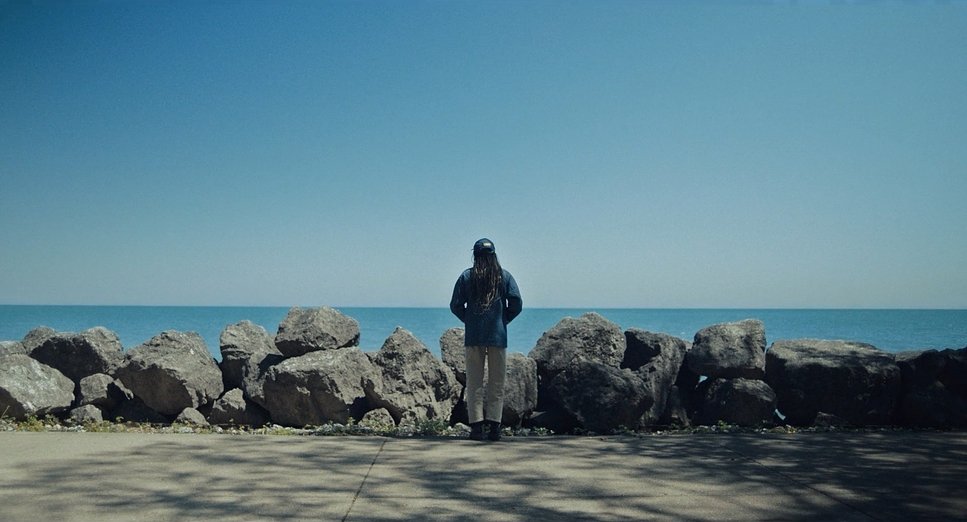
Still life/stylised landscapes: Tripod
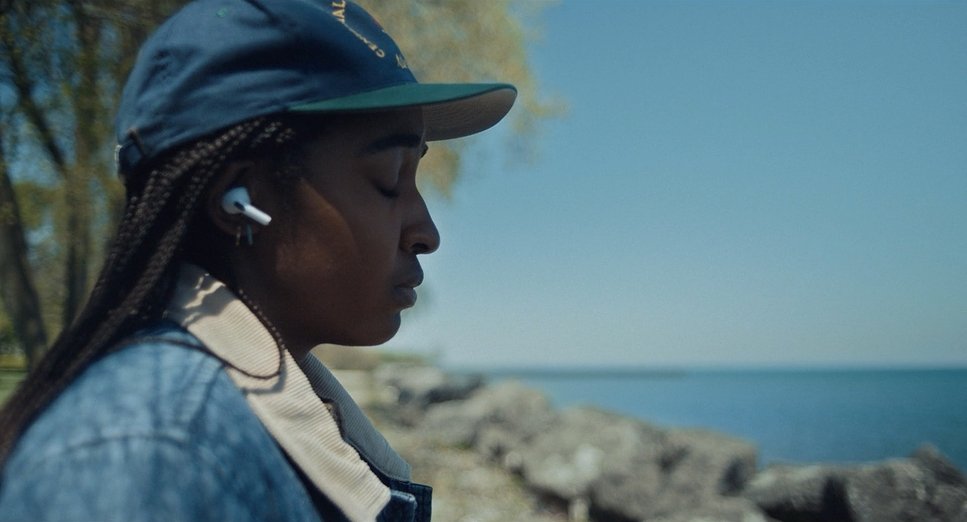
Personal portraits: Handheld film look
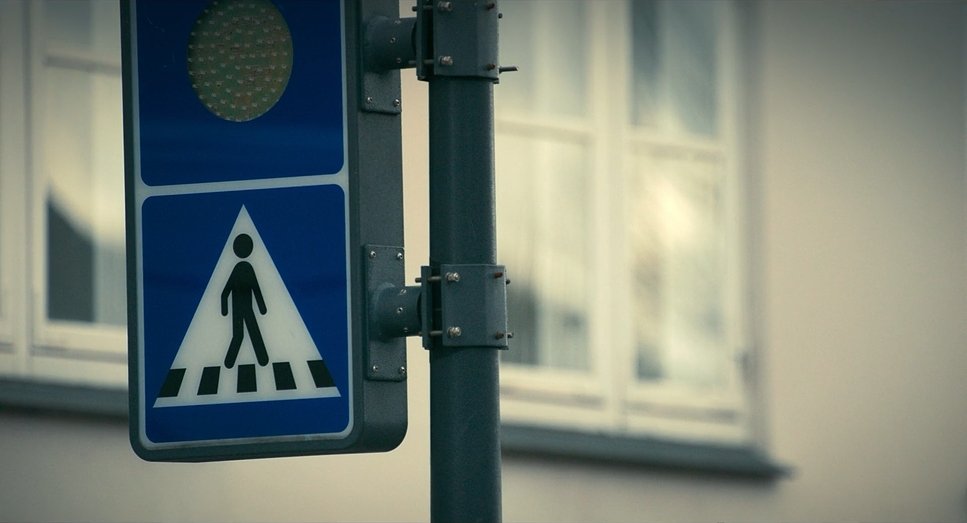
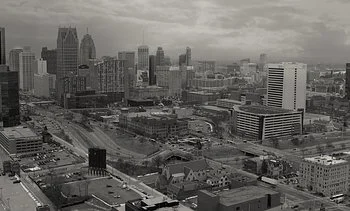
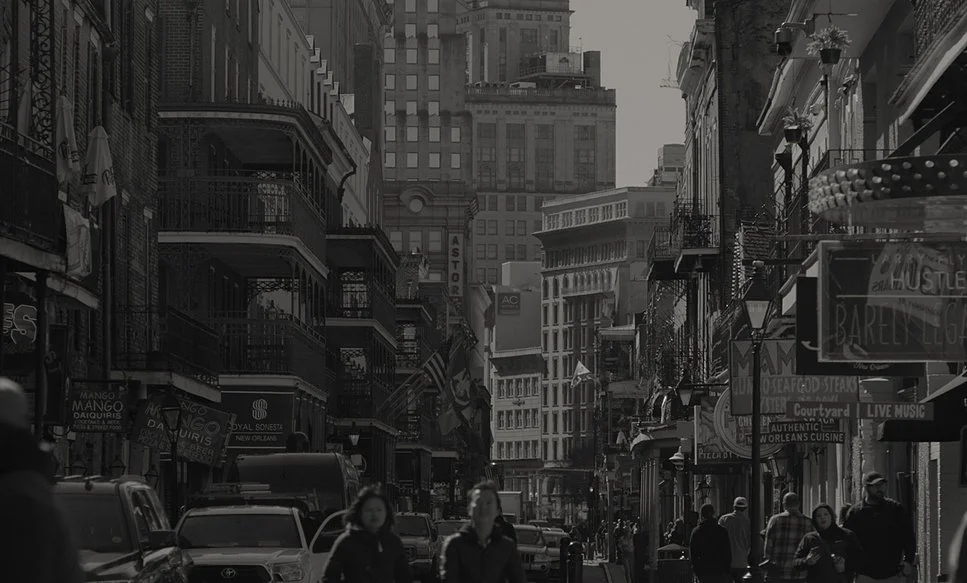
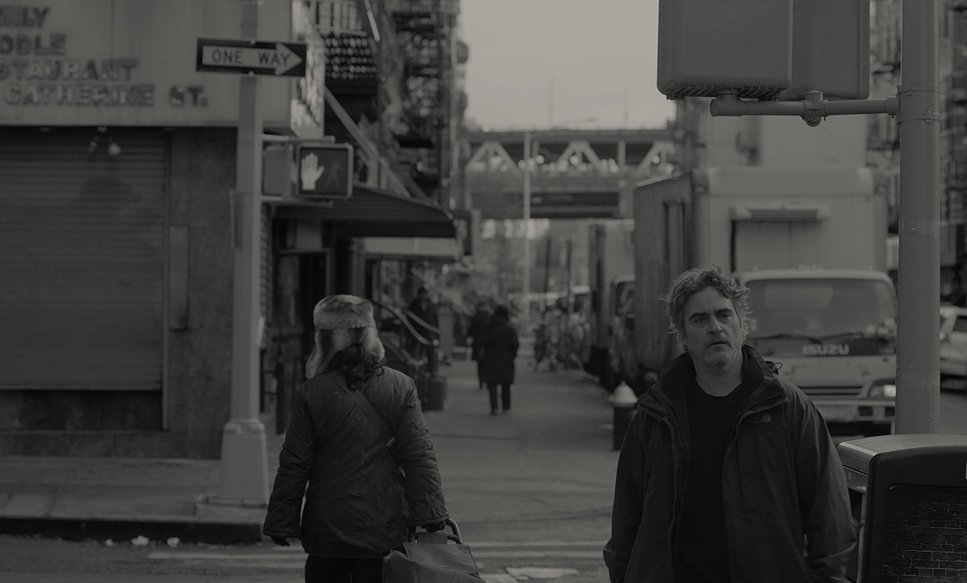
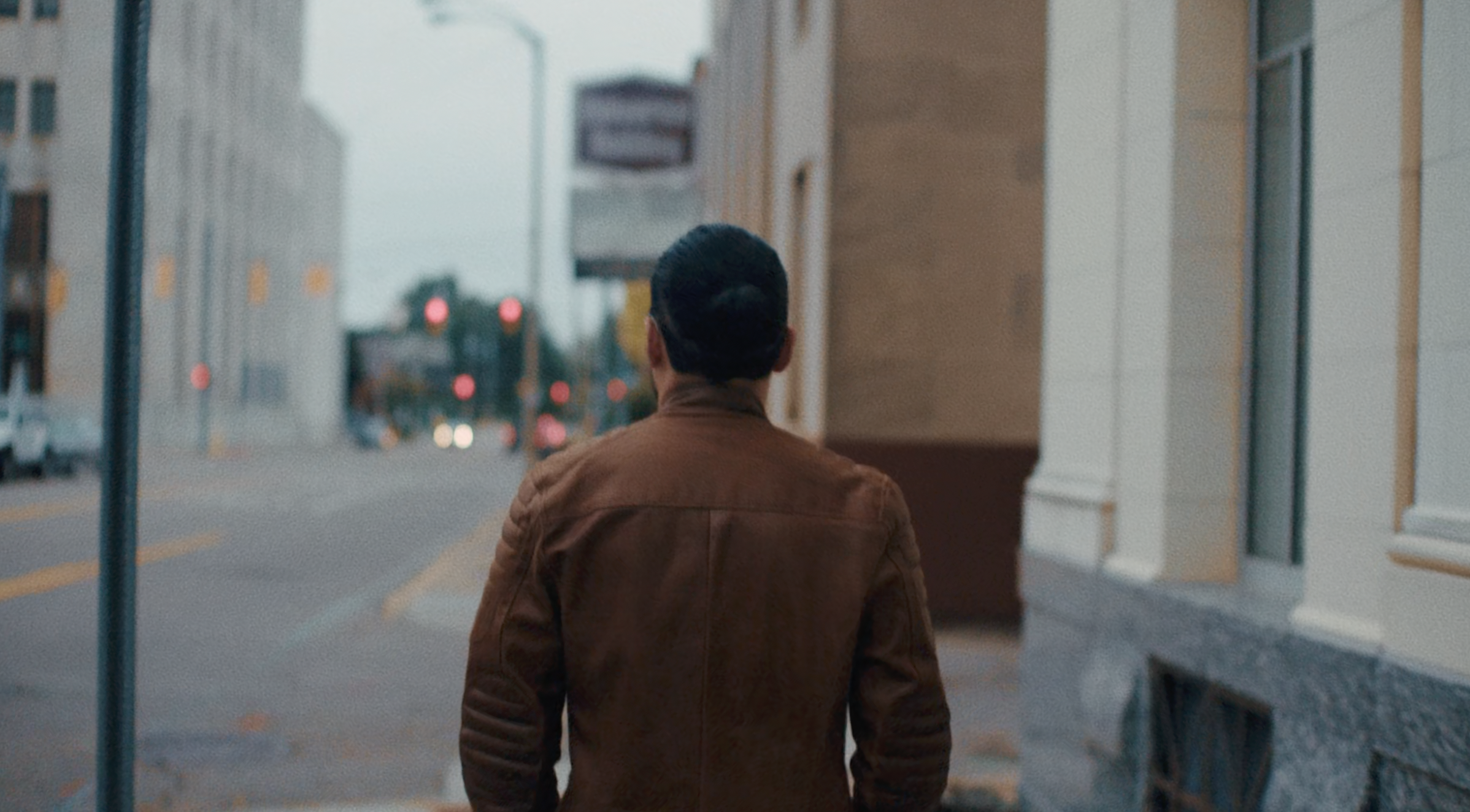
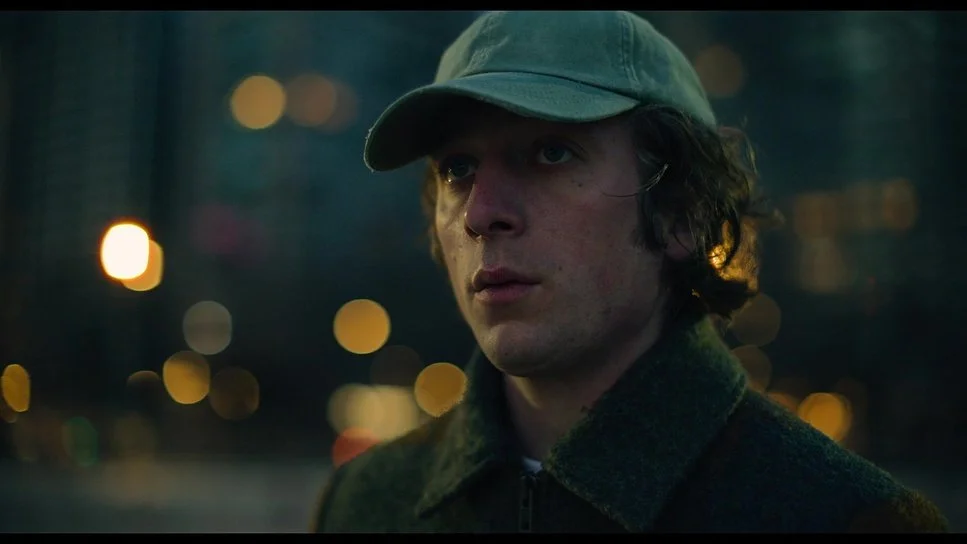
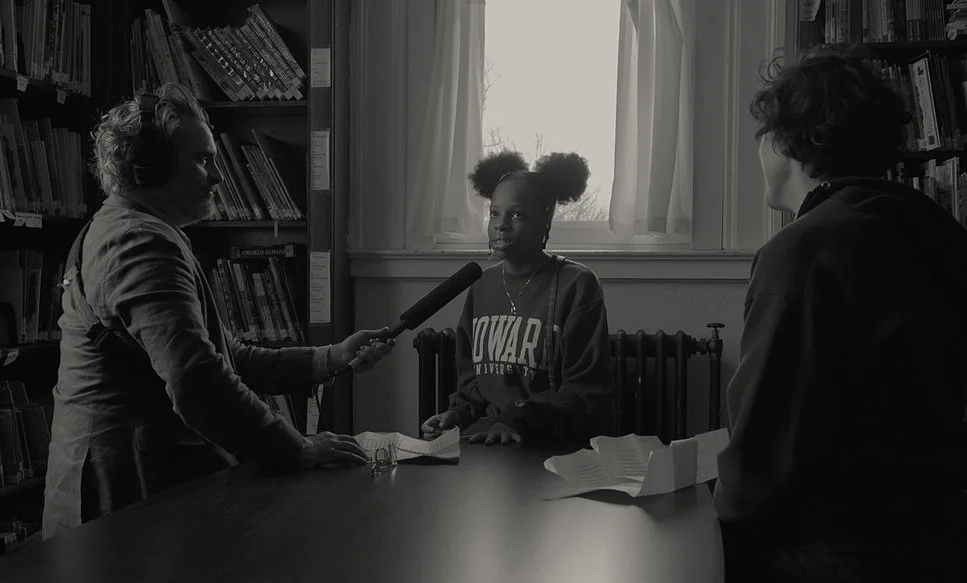
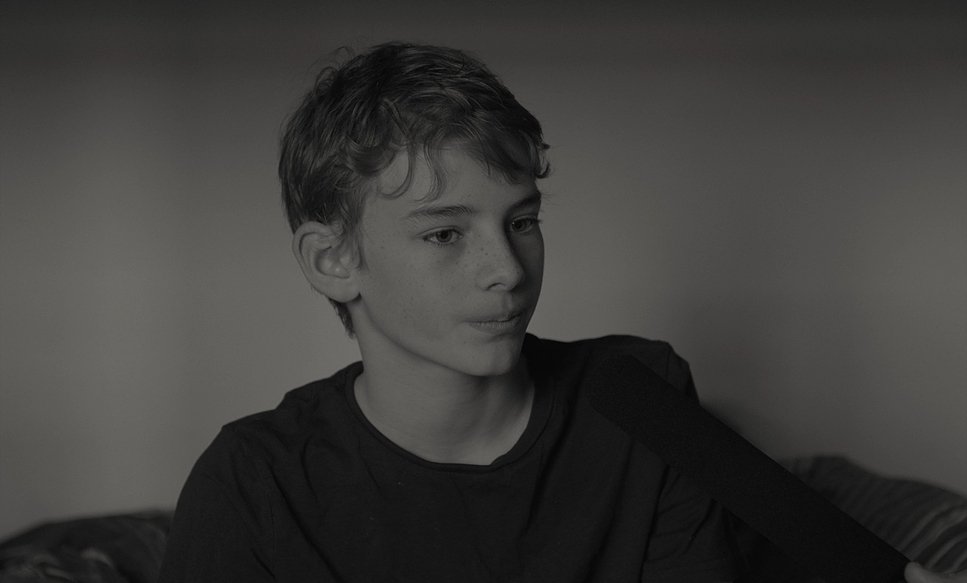
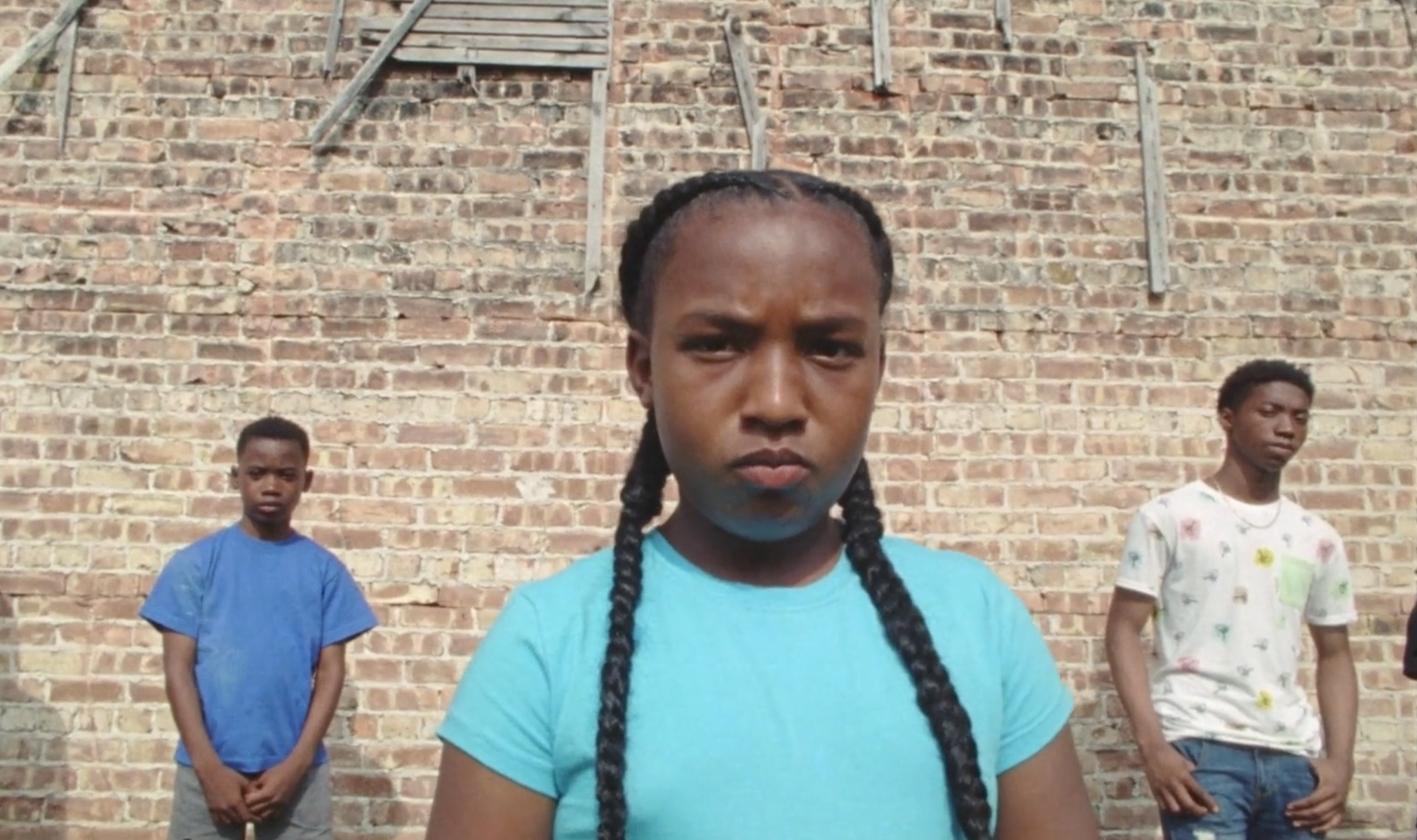
C’mon C’mon interviewing children scenes.
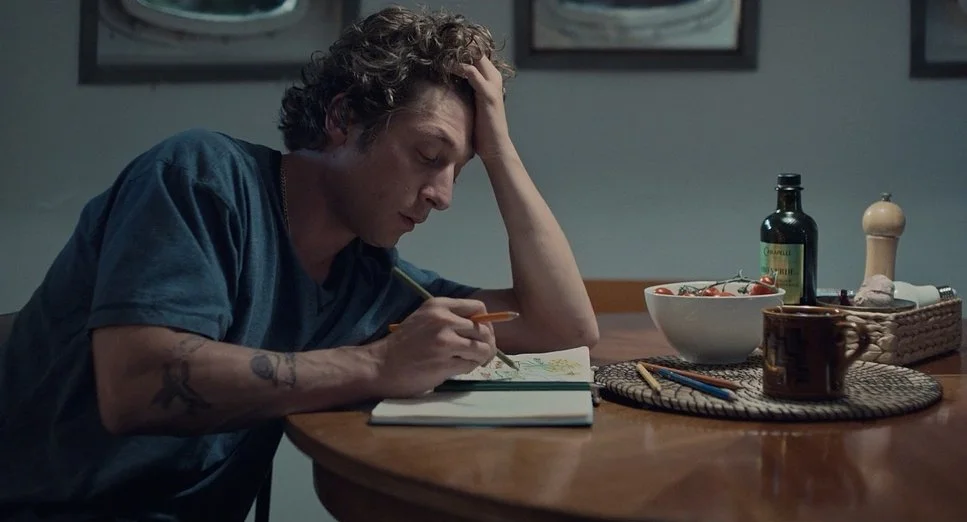
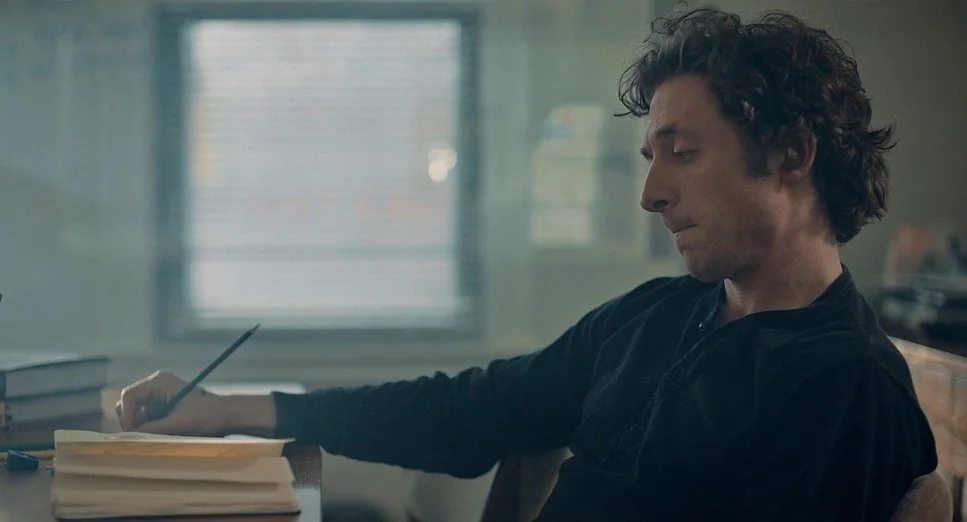
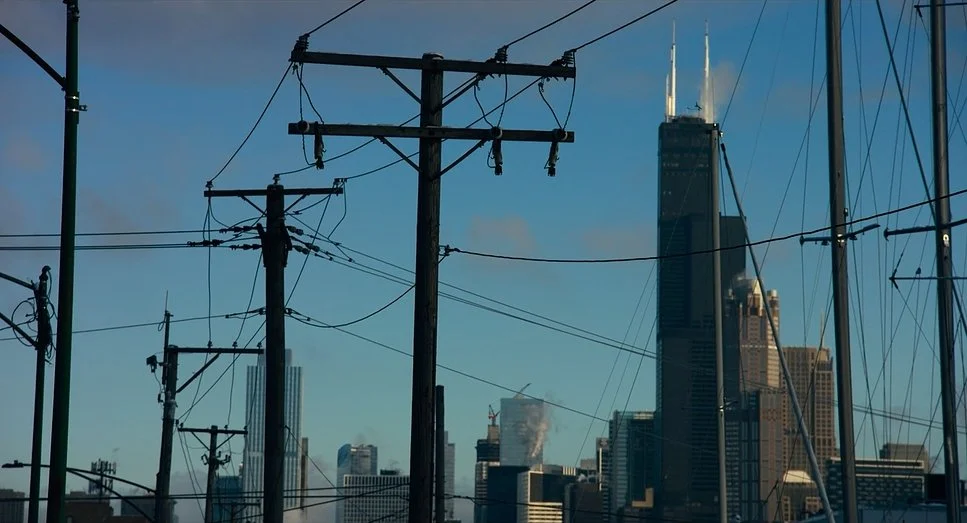
The Bear TV Series establishing shots of the city and location.
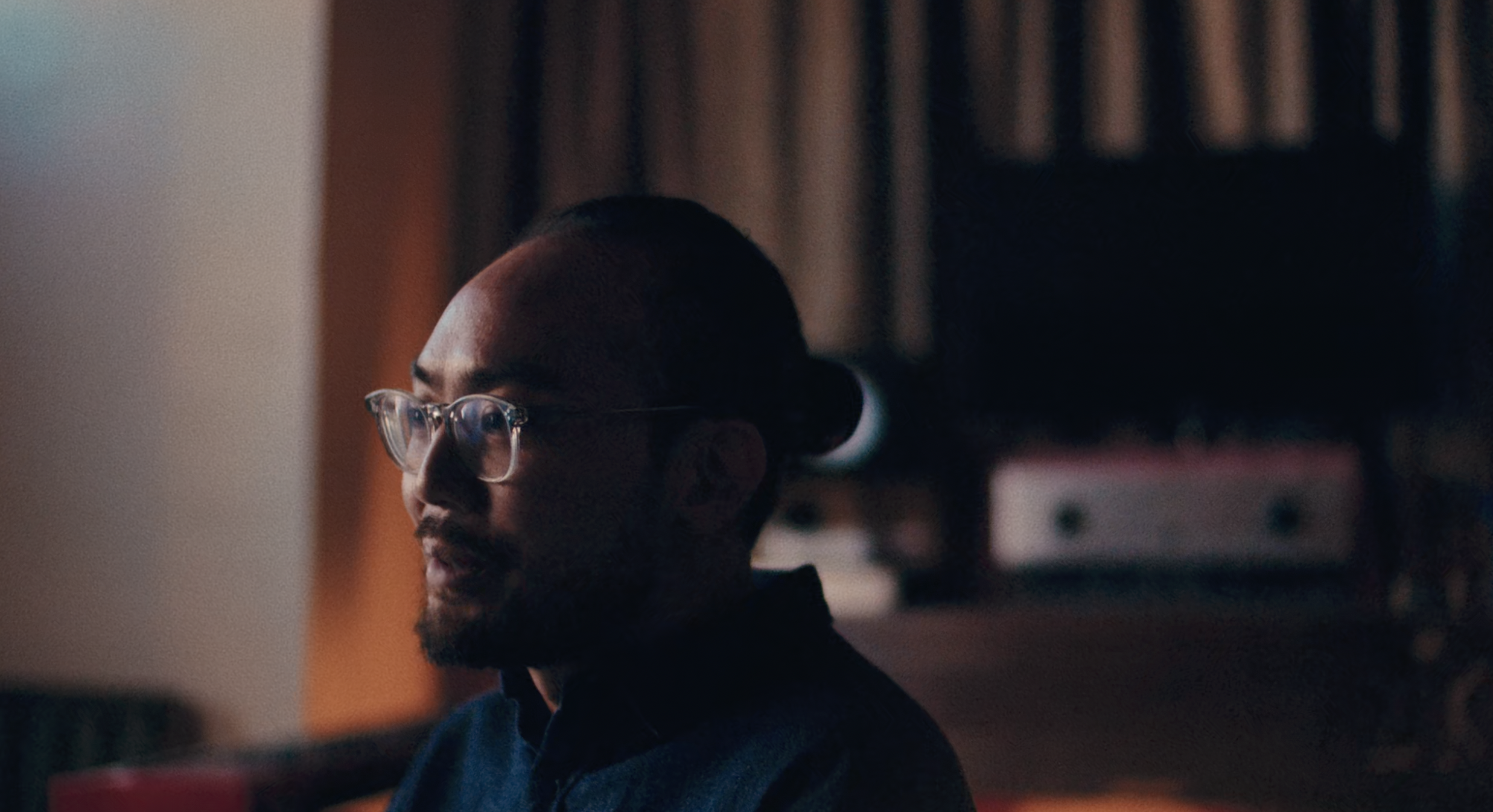
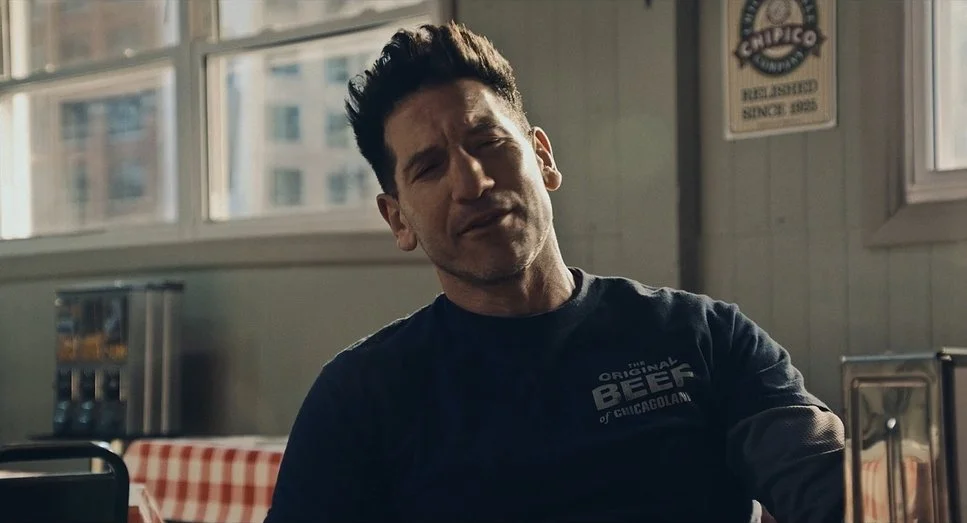
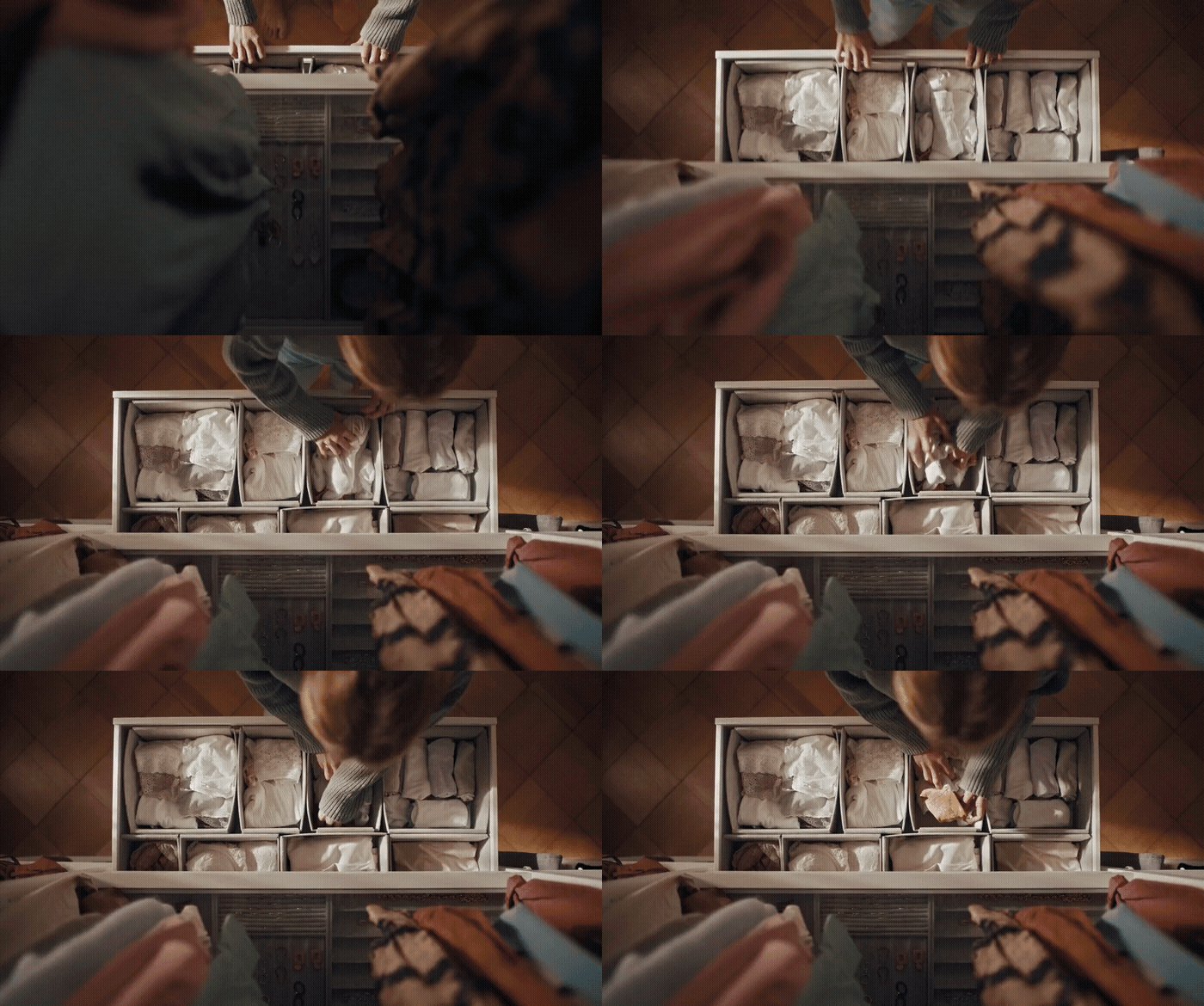
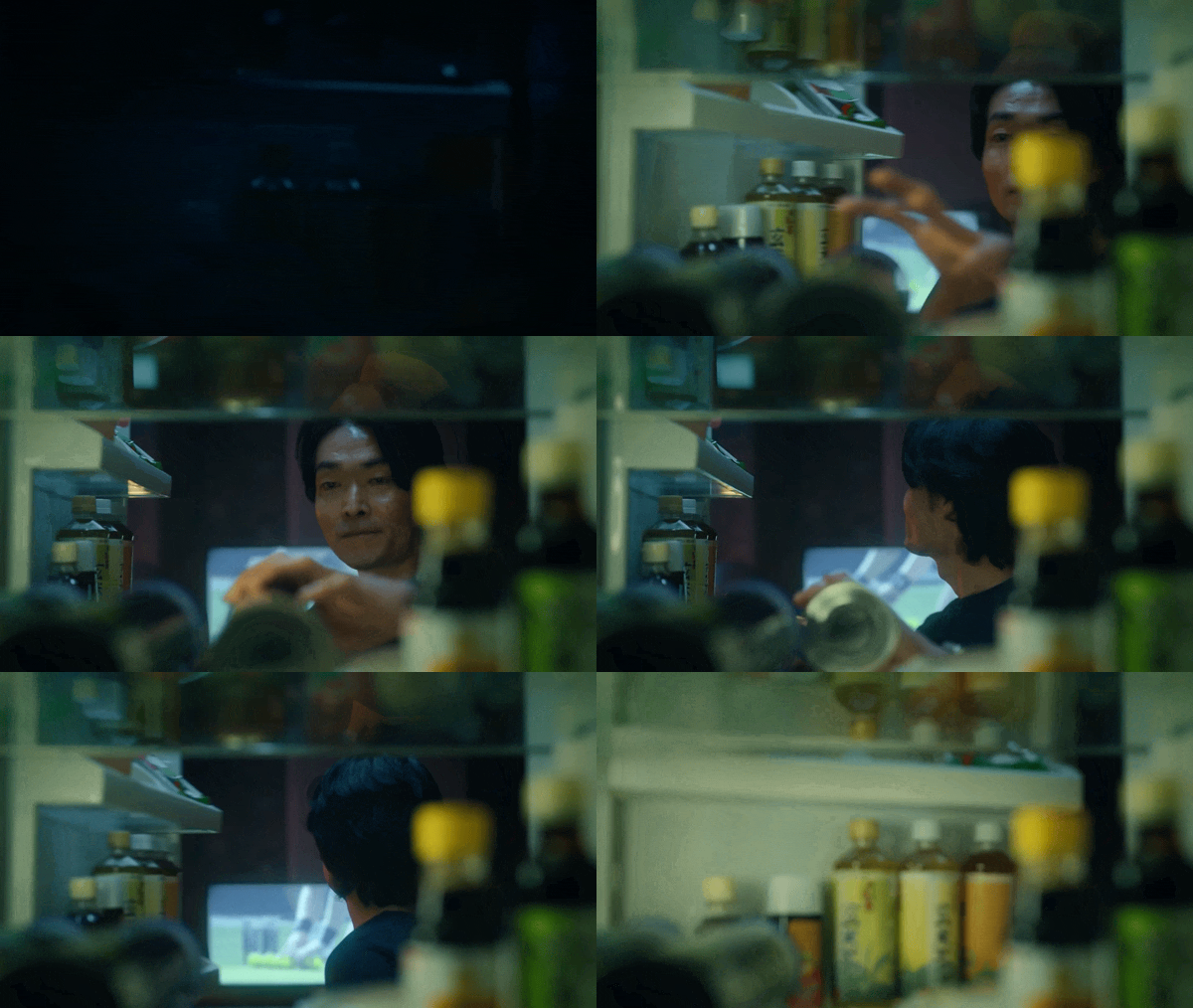
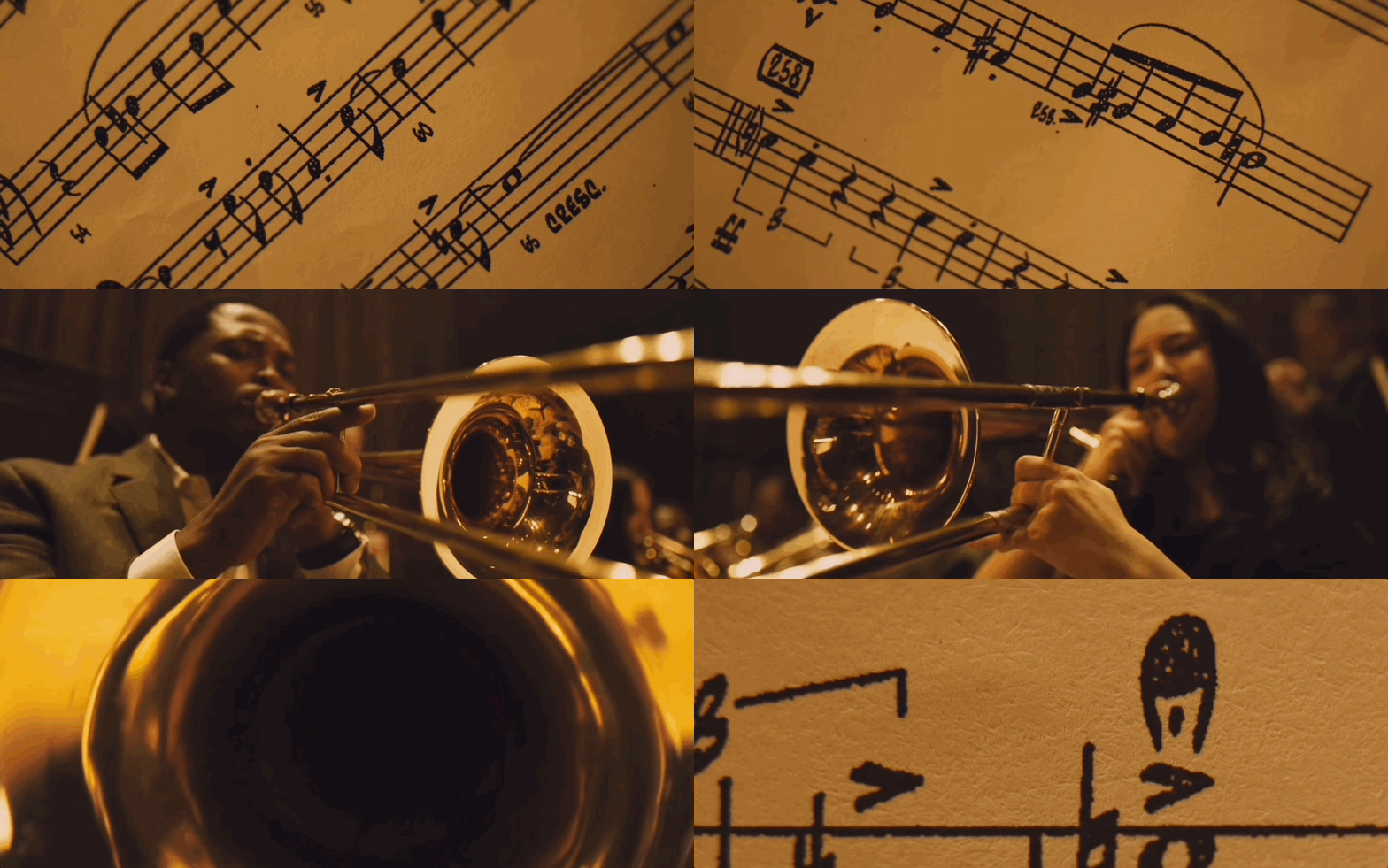
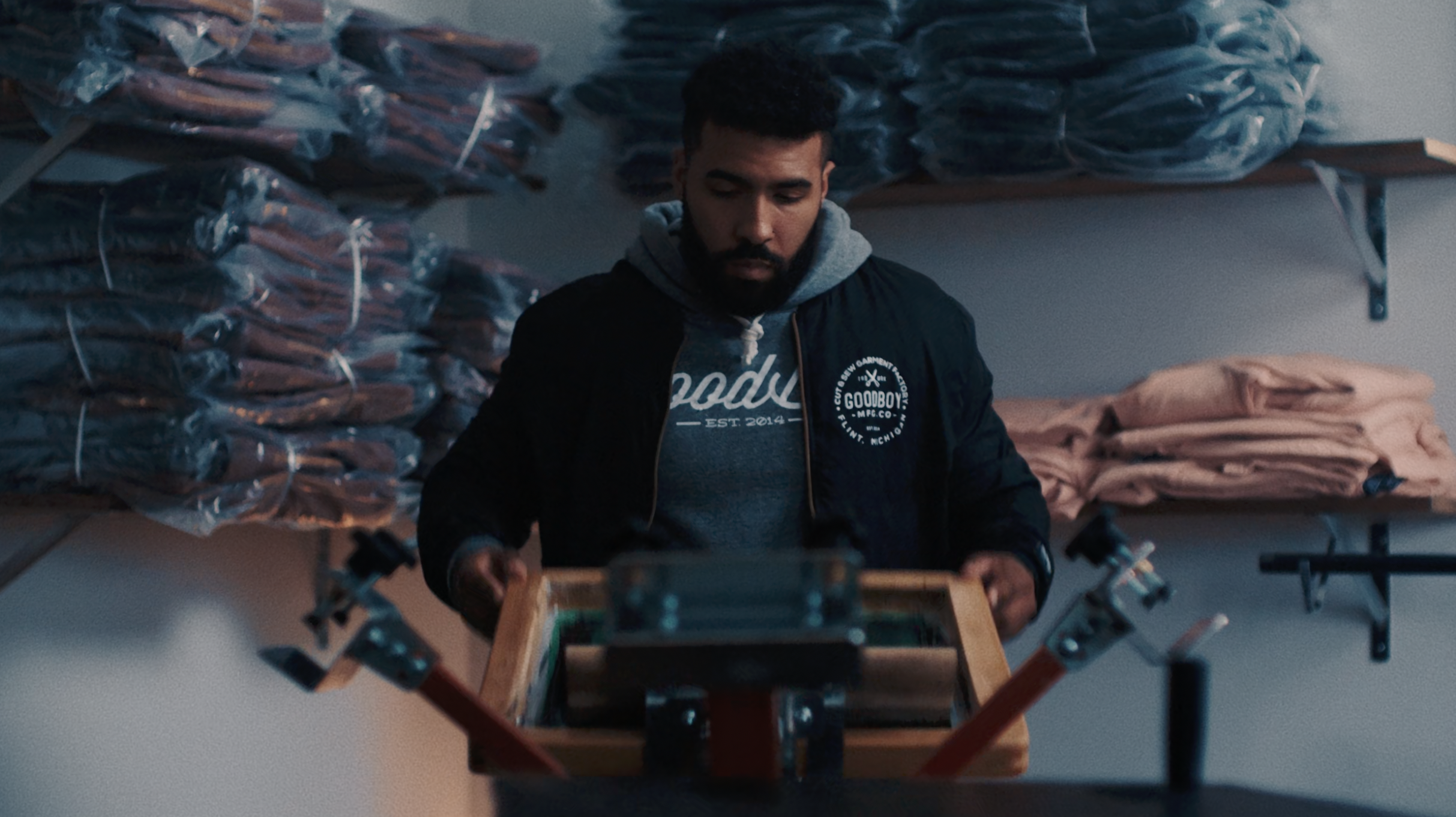
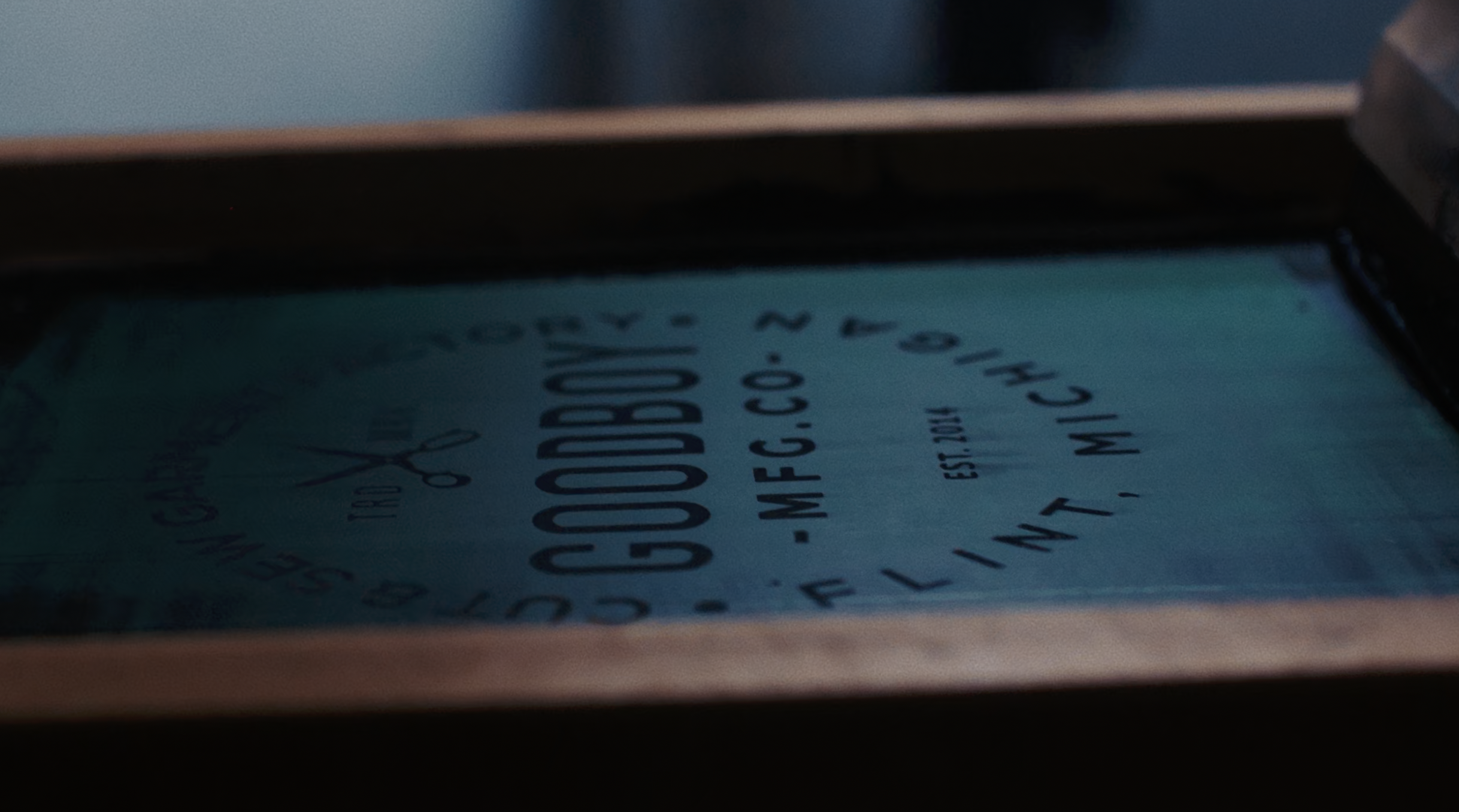
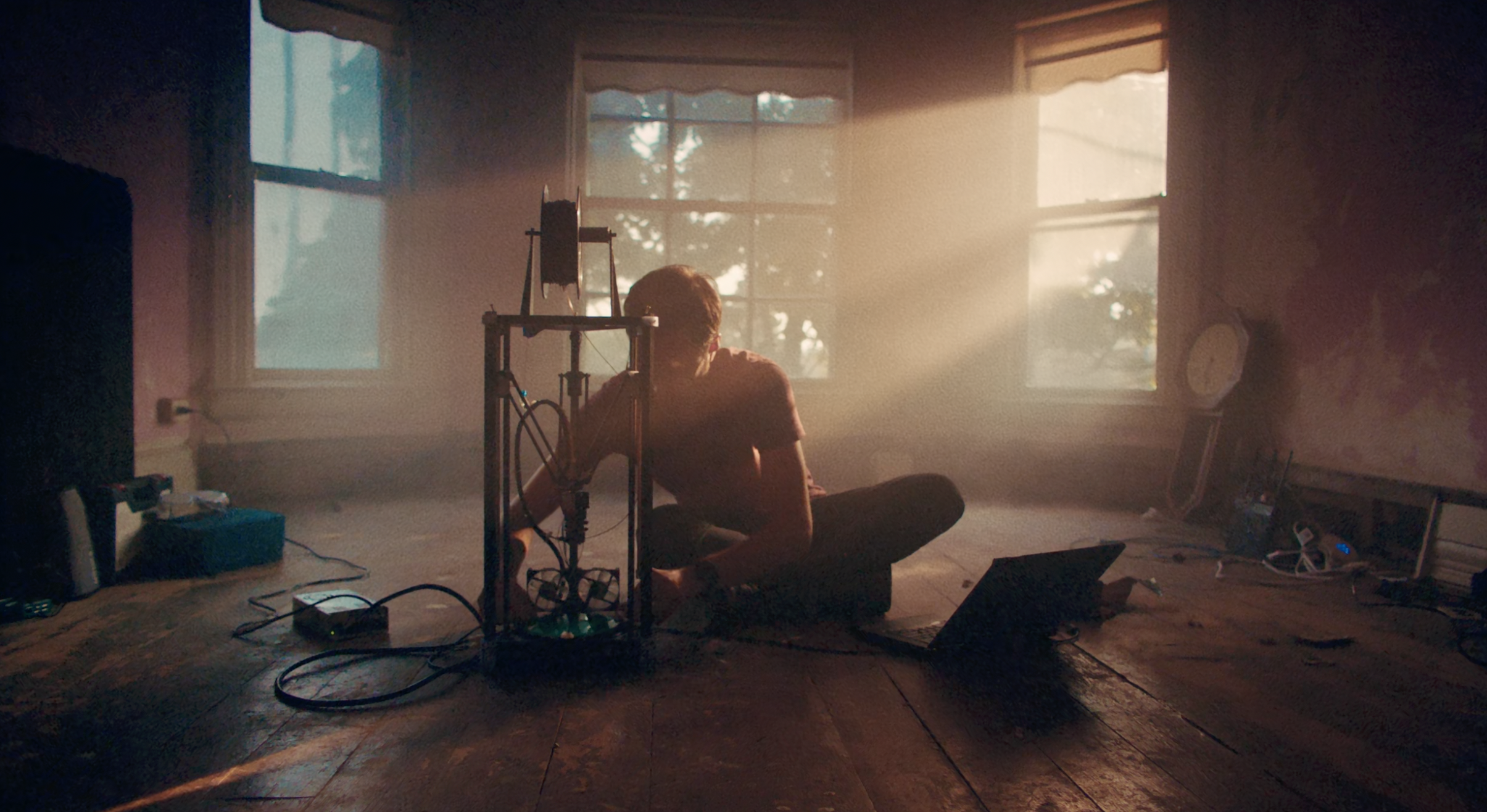
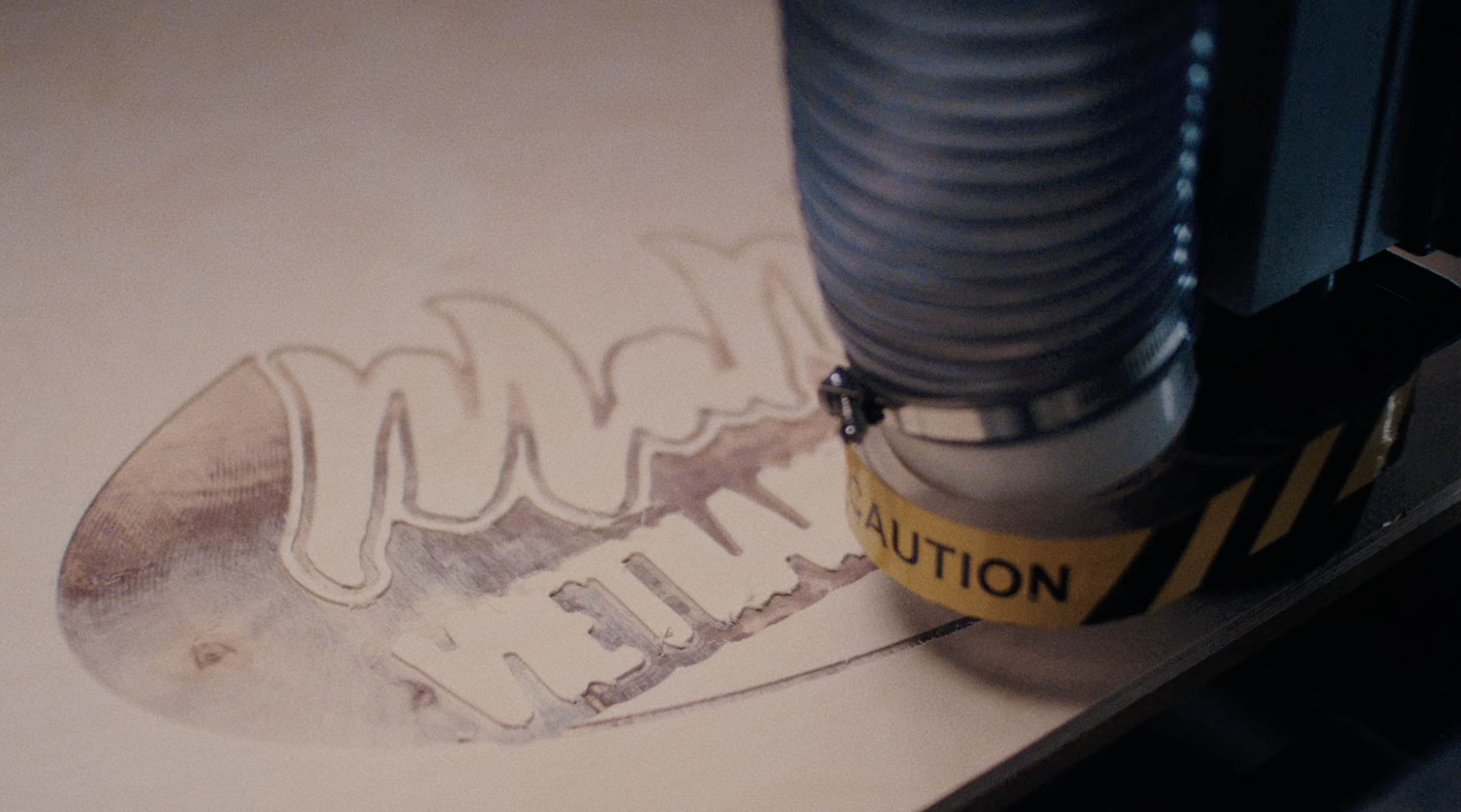
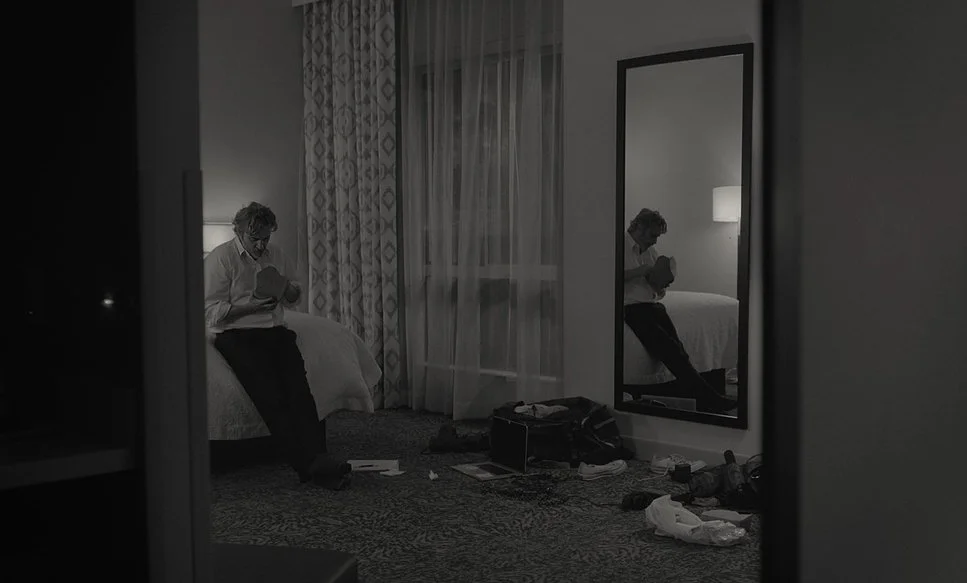
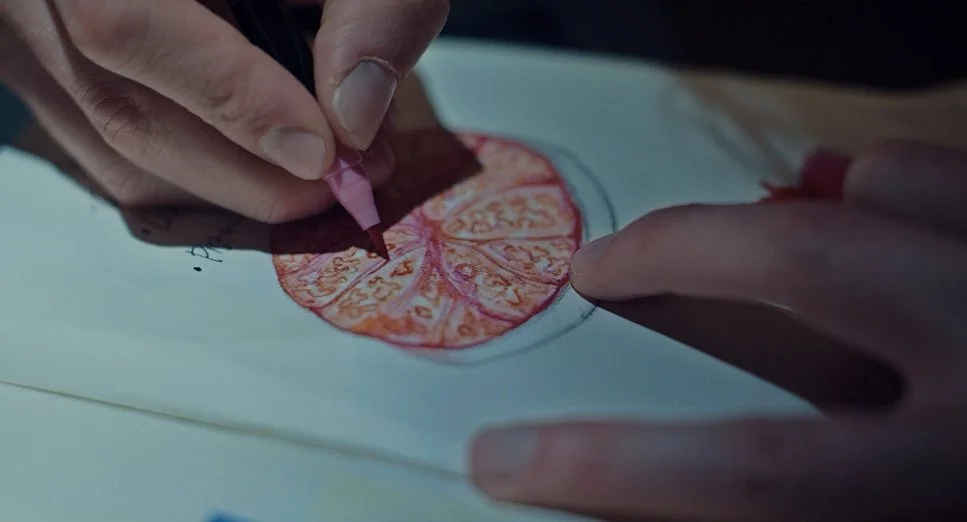
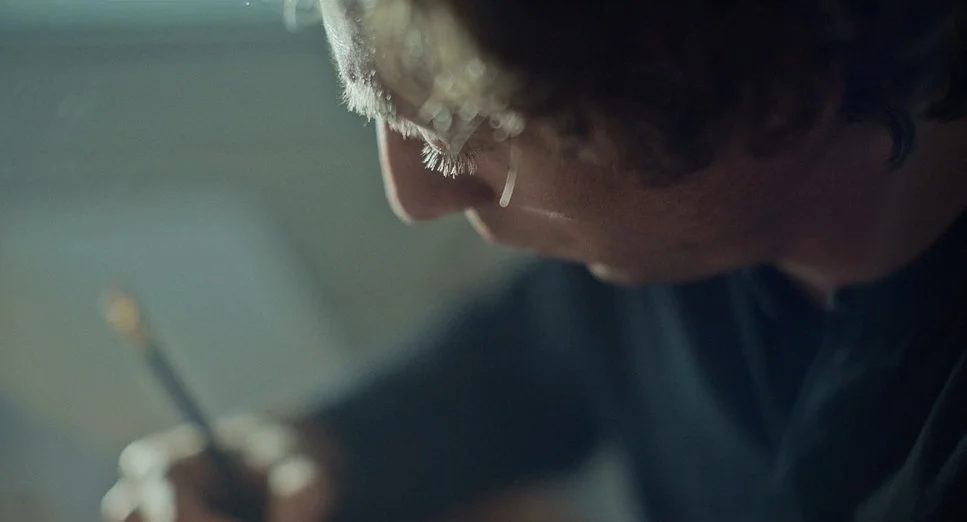
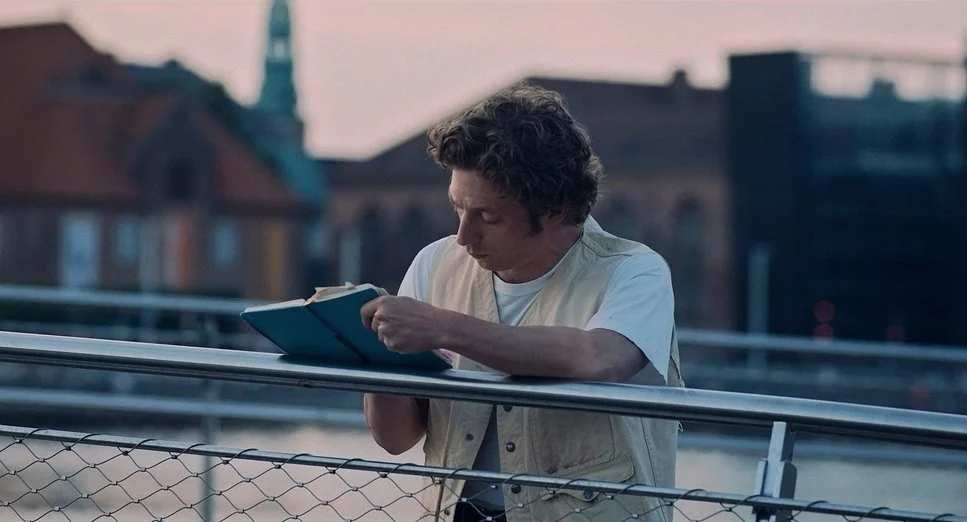
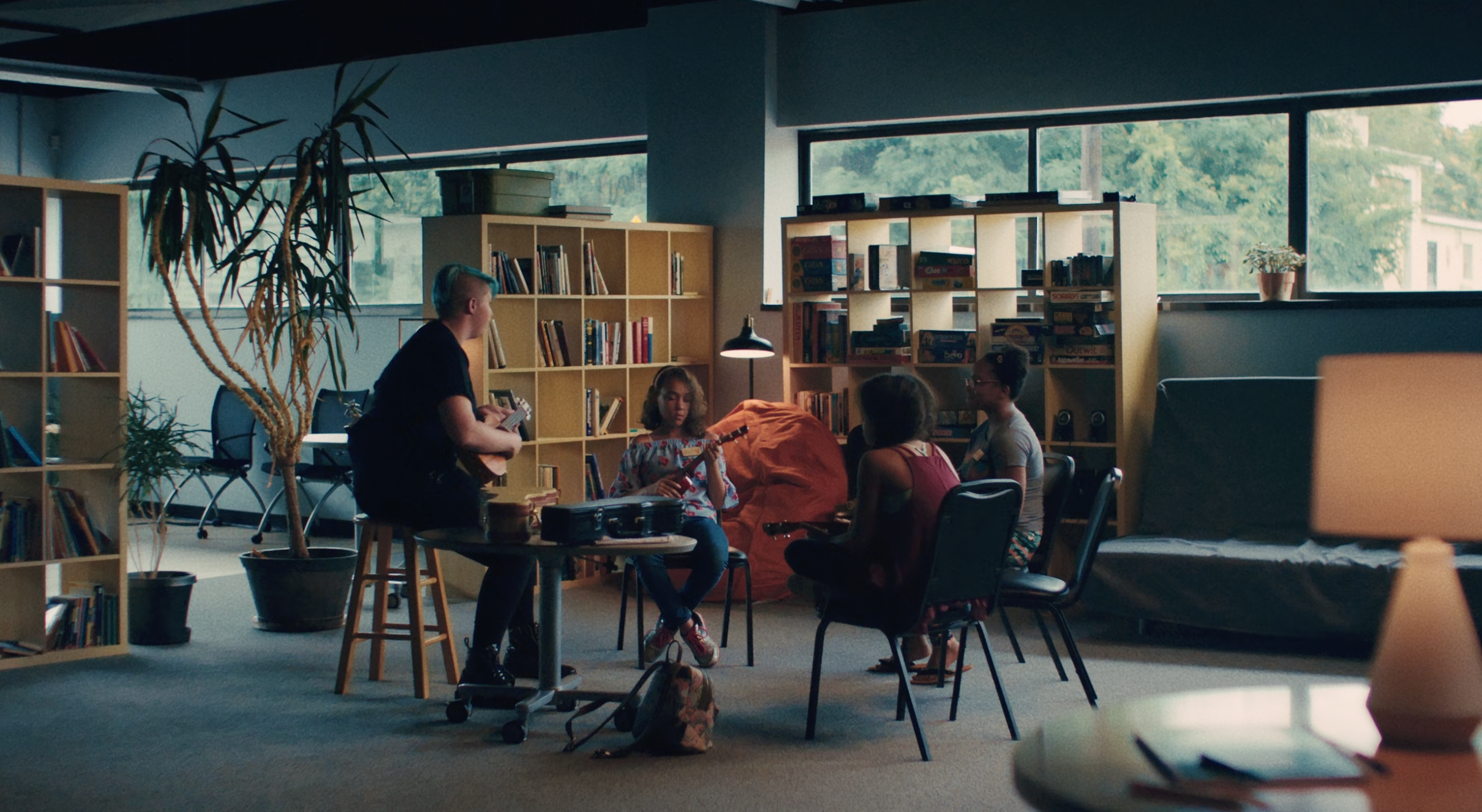
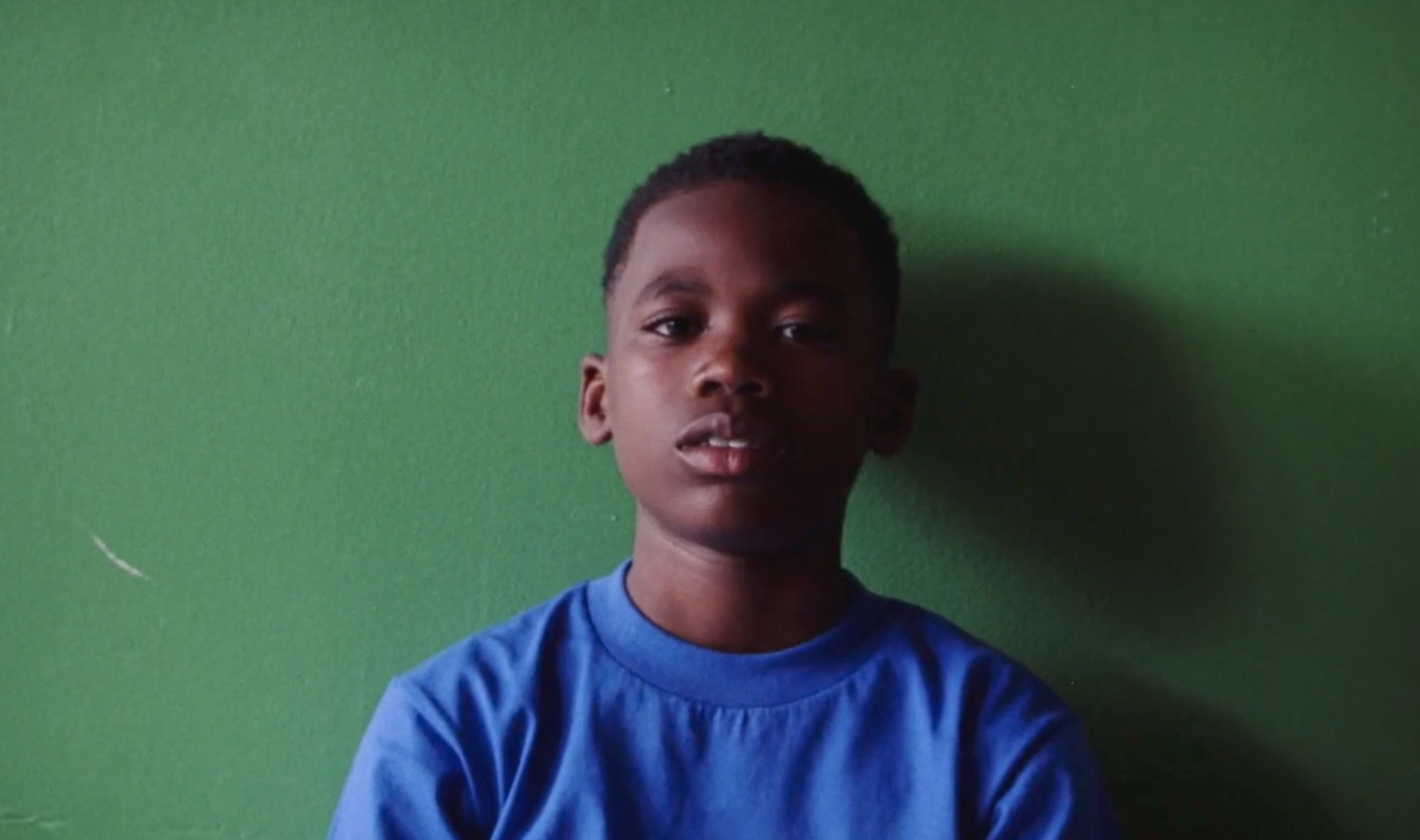
A number of documentary examples below that explore individual artists and children’s voice.
Samples



Music + Sound
Authentic First Nations. Pay royalties for local artist to create the score and elements.
Producer Statement
Story needs to be told to identify the comics and importance of language. Today’s modern methods of communication can be overwhelming and for young aboriginal adults there is a potential for disconnect in the society and lack of purpose. Scott has created a story and character that is relatable and a hero and symbol for everyone to look up to and strive to be better.
This documentary expresses values of resilience in protecting the land and people through Scott’s comic.
Aboriginal language is sacred. Words from the land and ancestors are powerful. They bring life and identity. Language reflects who we are and connects us to our creation and kinship. This documentary promotes the importance of this language and hopefully inspires young children to reconnect with the land.
Alton Walley is the documentary's writer. He is the son of Richard Wallley and part of Aboriginal Productions. Alton is a creative writer of popular children's books, a WAAPA actor, and knowledgeable in Aboriginal culture and language. He will get advice from Dylan Collard, an expert in Aboriginal language. Alton is also friends with fellow writer Scott Wilson, which helps the production process.
Dylan Collard - https://kalyakoorl.com.au
The children to be interviewed will be obtained from the Binar Foundation who have a number of children happy to be interviewed.
Binar - https://www.binar.org.au
The intended distribution to target local festivals, local screenings, and aim to feature on Vimeo Staff Picks and ABC Art.
Budget
Scott Wilson - $1500 (Days worked, travel and accomodation)
Writer - $2000 (consultation, research and scripting)
Aboriginal language consultation - $1250
Binar consultant with the children - $800
Producer - $2900 ($75 per hour) 4 full days + 1/2 prep and 1/2 scouting
Director/DOP - $4700 ($1050 day rate include camera kit) 4 full days + 1/2 prep and 1/2 scouting
Sony FX3 x 2
Tamron zoom lens x 2
Lens filter set
Cine tripod
Shoulder rig
Cine Saddle
V-mount batteries
Camera Assistant - $1250 ($250 day rate x 5)
Lighting assistant - $750 ($250 day rate x 3)
Sound - $1000 ($250 day rate x 4)
Lighting gear - $900 (3 days)
500 Forza
300 Forza
Apature MC lights x 3
Spotlight prohector
Scrim diffusion set
Floppy
Amaran F22 C + diffusion
C-stands x 3
Kupo boom arm stand
2 Heavy C-stand
Nanlite Pavotube 30C x 2
Location Studio - $850 1 day
Editor + station - $1250 (25 hours)
Colourist - $450
Post production sound - $250
Music First Nations - $3000
Publicity stills (edits) - $150
Travel - $450
Catering - $600
Total: $24050
Director/DOP Statement
The Director aims to show the interactions between Scott and the current environment in Perth. Scott should be filmed with handheld or moving shots using 35 or 50mm lenses. Perth surroundings should be filmed on long lens and tripod. Nature will never filmed on wider lens and gimbal floaty movement. During Scott’s creative process there will be more active shots with interesting POV and angles. More active to mirror the creative flow in Scott’s mind. Then interviewing children the camera will be on 35mm hand held to capture the energy from both parties. The interview with the Elder will be filmed on tripod.
To achieve this there will be plenty of camera tests and location scouting to find the best times to film. We will use the Sony FX3 for its full-frame quality and user-friendliness. Filmed mostly at 25fps, with some shots at 50fps and slow shutter speeds to enhance certain activities captures in the studio. We'll pair it with SLR Magic Micro Prime cine lenses for a unique vintage feel.
Filming in golden hour is important to showcase the beauty of Leederville. The lighting style is very naturalistic. We don’t want it to be too muddy neither too high key. This is a big studio with plenty of white walls, so we will need to control the light coming in. A lot of negative fill and blocking out windows that are not in the frame. We will motivate light through windows and practicals. An overhead light will serve as the main light on the subject, while spotlight fixtures to replicate sunlight. We will film indoor scenes during the middle, while outdoor shots will be filmed during golden hour.
The budget will cover lighting, v-mounts, and audio gear. Since we have many shots to take in the studio, the setup should be simple, using only a few lights and a lot of negative fill to control light and atmosphere. The lights must be powerful, mobile, and have various reflector options. Andrew and Jhuver will collaborate on the film's mood, location, and lighting plans, but Jhuver will be the Director of Photography during the shoots. A gaffer will be needed to set up the lights.
Producer Bio - Kirsten Barker
Kirsten Barker is an up and coming film producer for videos, documentaries, and product ads. Previously an events coordinator at St John WA and The Hub at Technology Park, she moved to film production by applying her transferable skills. This year she has produced videos for Aboriginal Productions and NDIS participants. See linked films.
Director Bio - Andrew Barker
Cinematographer Andrew has been directing films with Kirsten at Kando Media. He focuses mainly on social issues like art, all abilities and Aboriginal culture. Andrew has DOP’d festival run short films and documentaries. Previously Andrew has been a state public servant for over ten years, where he has developed strong communication skills and empathy towards individuals and community groups.
https://app.milanote.com/1RB9971lS1yneW?p=lqyAWskwSx6
Writer’s Bio - Alton Walley
Alton Walley is a Whadjuk, Wilman, Kaneang Nyoongar man from the South-West of Western Australia. Alton has been heavily immersed in his culture since he was a young boy, being fortunate enough to have access to, and engage with, a wealth of knowledgeable cultural figures.
Jhuver - DOP and current Curtin University Film Student (2nd year) and internship at Limitless
Previous Films:
Aboriginal Productions - Videography (ongoing) - https://vimeo.com/992131190?share=copy