VisAbility
Andrew Barker
6 Bloomsbury Way, Harrisdale 6112
0432387984
Title: Seeing the Canvas
Style: Observational and expository documentary
Team:
Producer – Cameron Davies and Kirsten Barker
Director – Andrew Barker
DOP – Andrew Barker
Writer – Leith Phillips
Assistant Director - Kirsten Barker
Assistant Camera - Jhuver
Editor – Andrew Barker
Synopsis
A local artist explores new ideas to connect with visually impaired individuals by creating a tactile painting for one of them. This experience helps him sharpen his senses and understand their perspective, leading to changes in his view of life and his art.
The Story
Paul a local landscape painter delves deep into the art of tactile painting for Eric a mate and member of the VisAbility community who has a vision impairment. As they collaborate, Paul learns about Eric’s life and condition, and Eric enlightens Paul on how he observes art through his own perception and paints the picture in his mind based on all his senses.
We follow Paul on his creative journey and his deepening understanding and empathy for blind people. Paul starts to use other senses instead of relying on his sight to create the art piece, but finds himself also practicing this in day to day life and ultimately embracing the moment more.
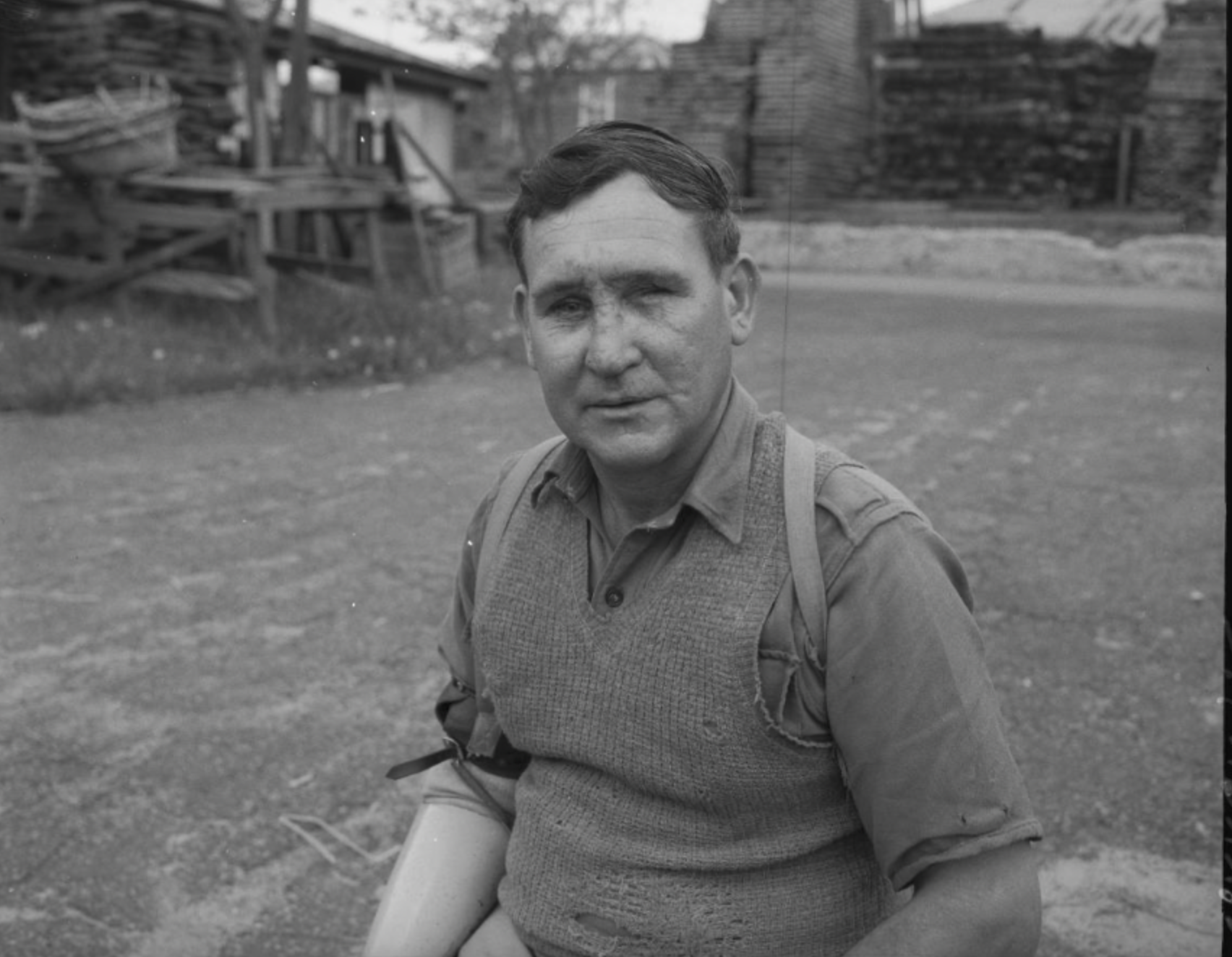
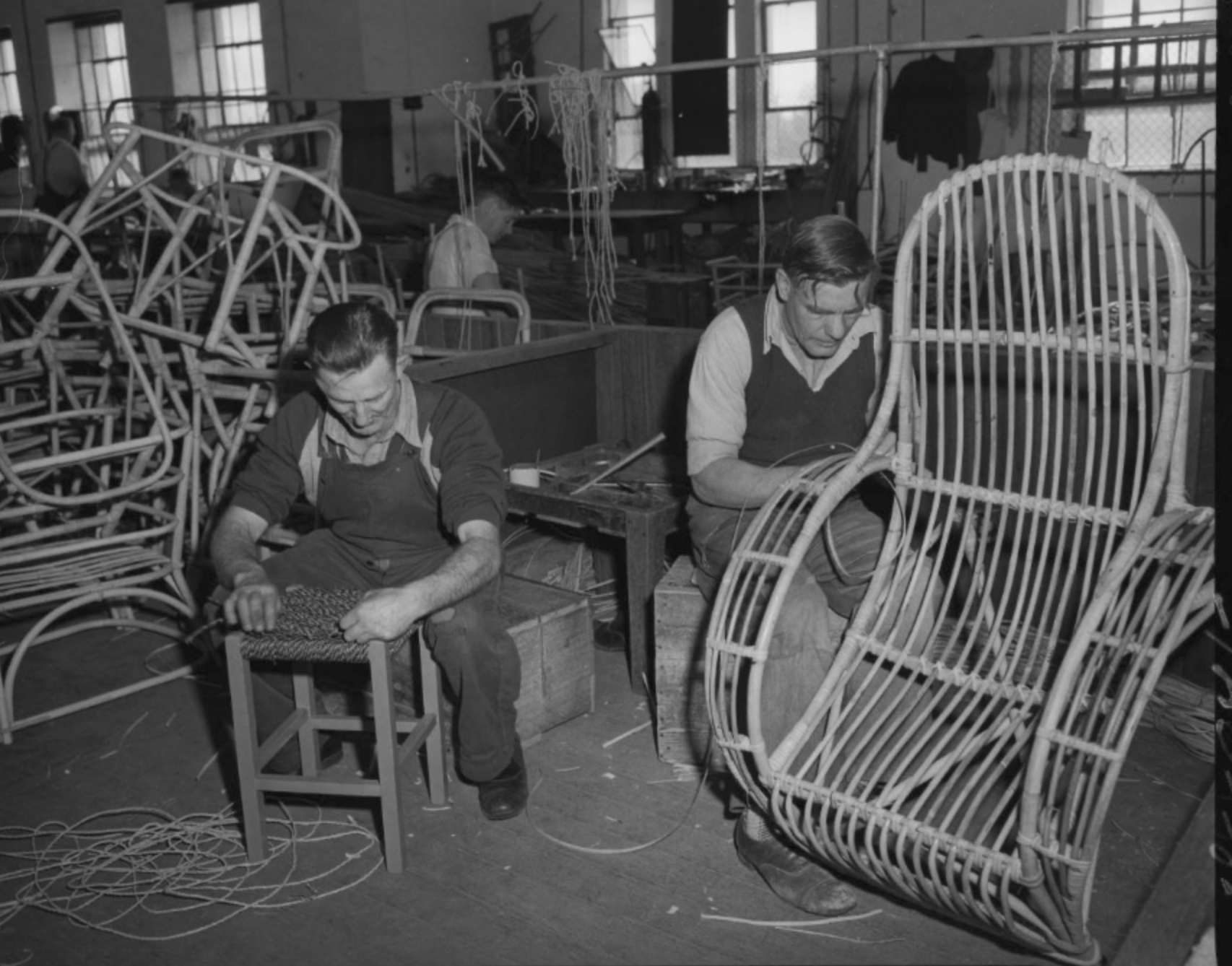
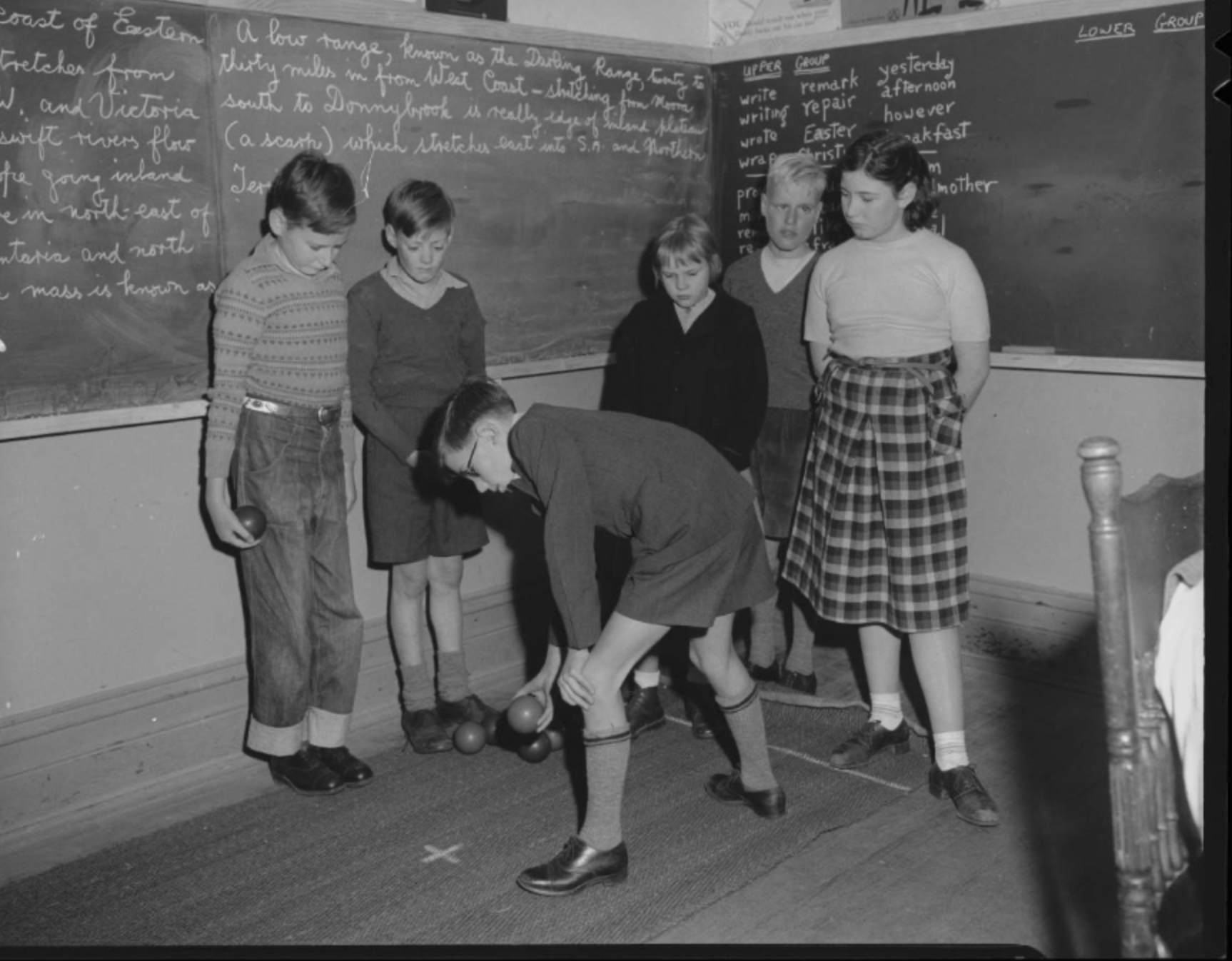
We interview Eric about the blind community in Western Australia compared to 60 years ago - looking back at old archive photos of the Blind Society. He discuss how the increasing screen time is potentially affecting young children, and focusing on blind people who aren't influenced by screens. He highlight activities these children engage in now compared to those in 1950, using archival footage. This aims to show the value of not always depending on sight.
Finally, Paul reveals his artwork to Eric, showcasing their reactions and conversations about their experiences. Through this project Paul realises the endless creative possibilities with his mind.
What is Tactile Art?
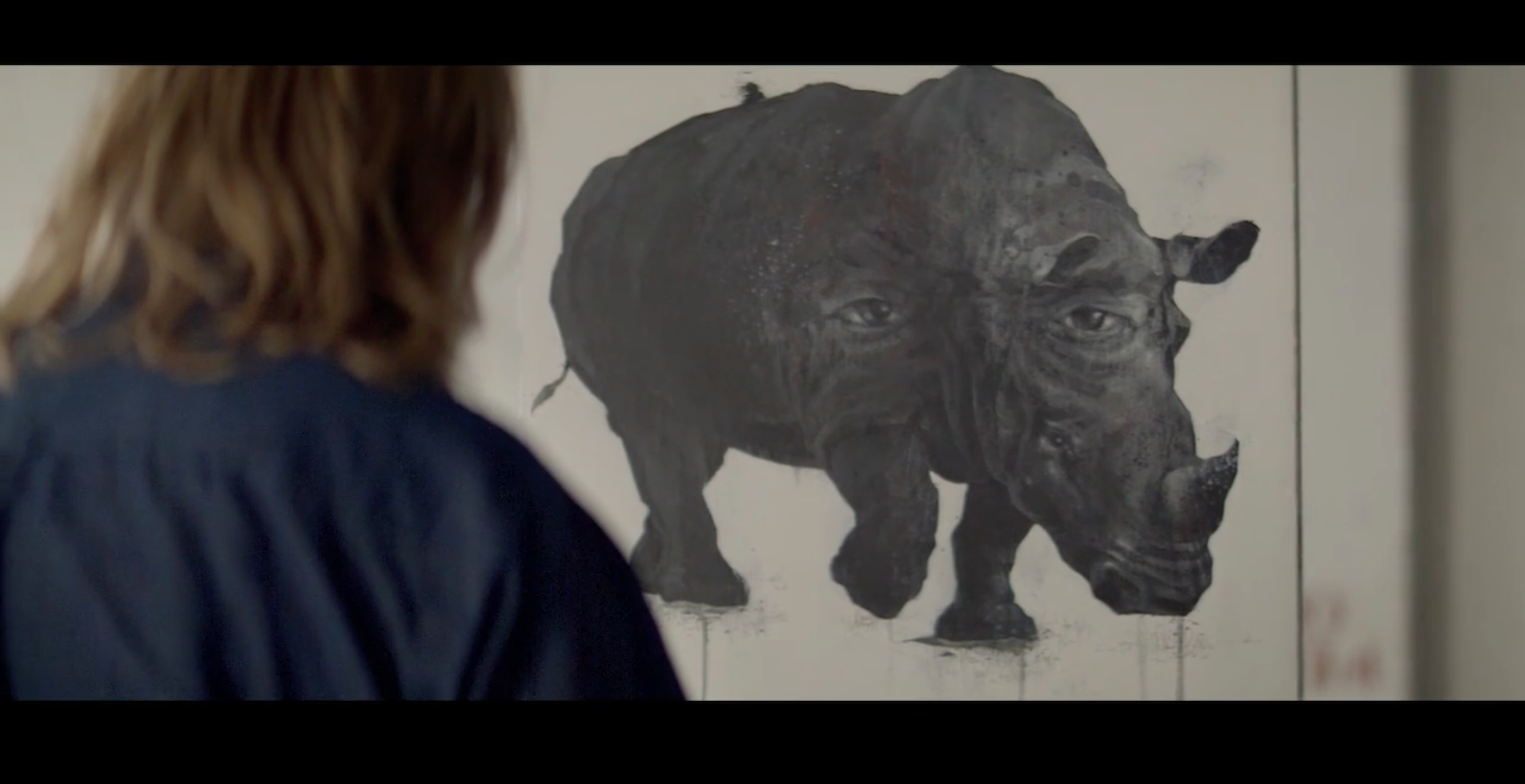
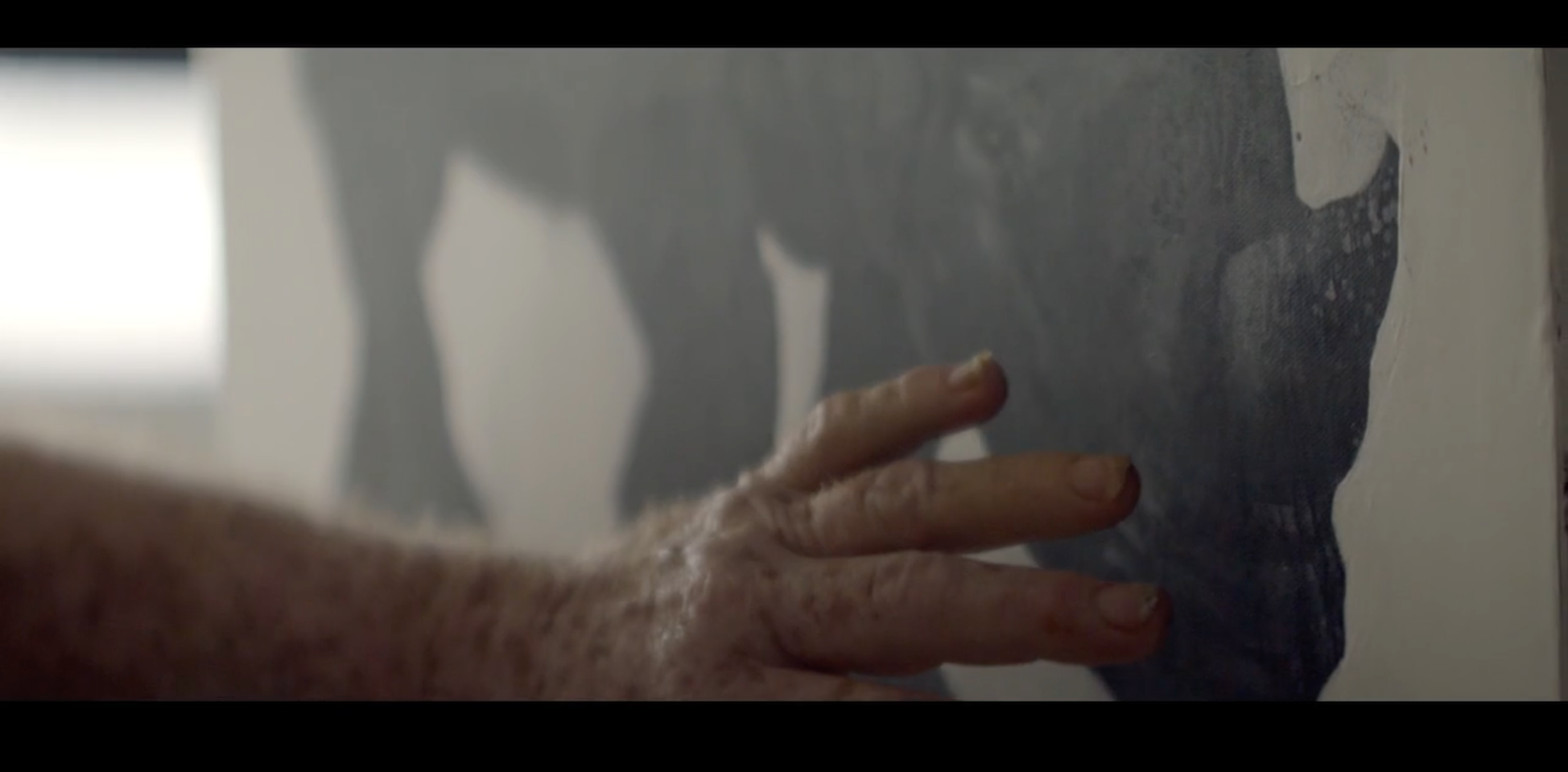
Tactile art differs from traditional paintings by using textures and layers to create mental images. People can be misled by visual appearances. Increased screen time is reducing the use of the other senses—touch, hearing, smell, and taste. Sight is so strong it can shape how we think. Engaging all five senses can greatly improve your experience.
Who is Paul and Eric?
We will search for the two best subjects for the documentary. There are two currently in mind that have been approached and happy to participate - Paul Innes and Eric. However this is not finalised as we want to make sure most suitable individuals are chosen.
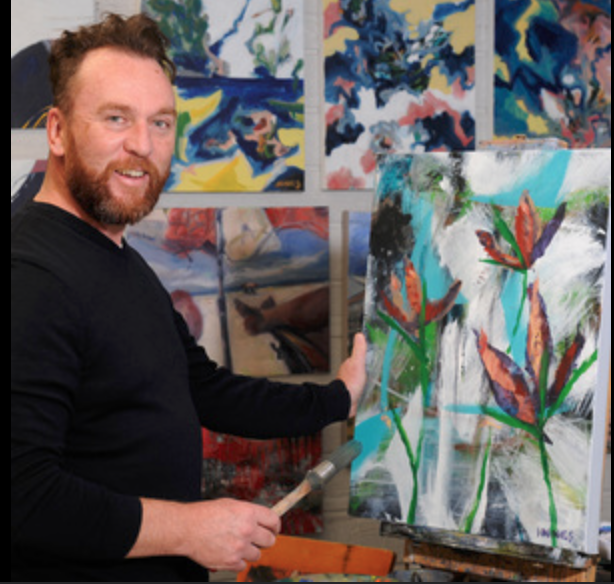
Western Australian artist Paul Innes employs oil paints for landscapes and charcoal for figures. His award-winning painting features soft clouds over red earth, bush, and violet hills, reminiscent of J.M.W. Turner. Born in Fife, Scotland, Innes was inspired by Turner at the National Galleries of Scotland, prompting a shift from business to creative marketing. In 1998, he moved to Perth with his family, initially working in design before fully committing to art. He begins each painting with rough sketches, adds acrylic layers, and finishes with thick oils, celebrating local landscapes and abstract forms.
https://bluethumb.com.au/paul-innes?srsltid=AfmBOopA9QSb880GmxwJ8xLWUyLsO22a15E4D1b3zTlrJEf6YNfXx4NV
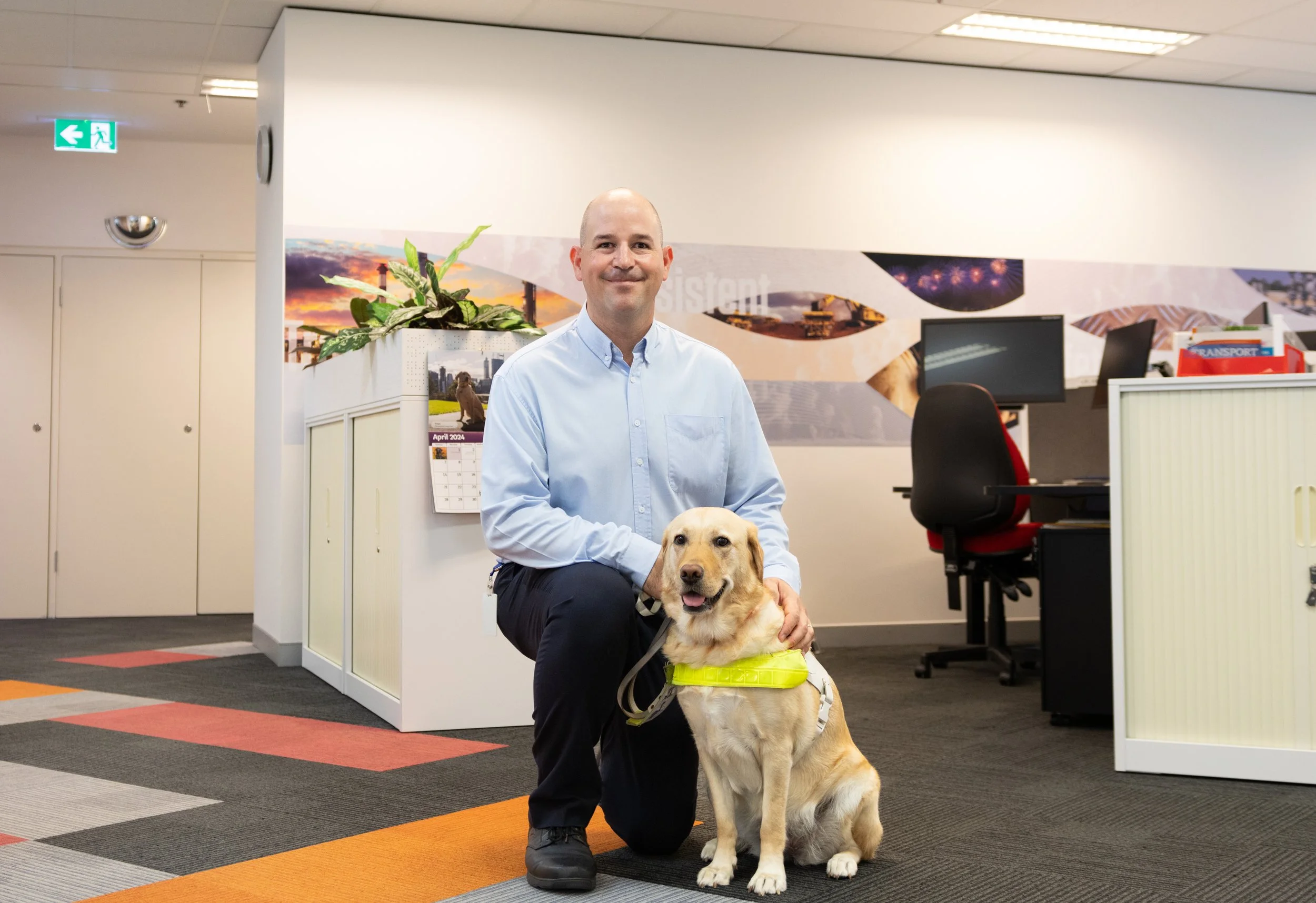
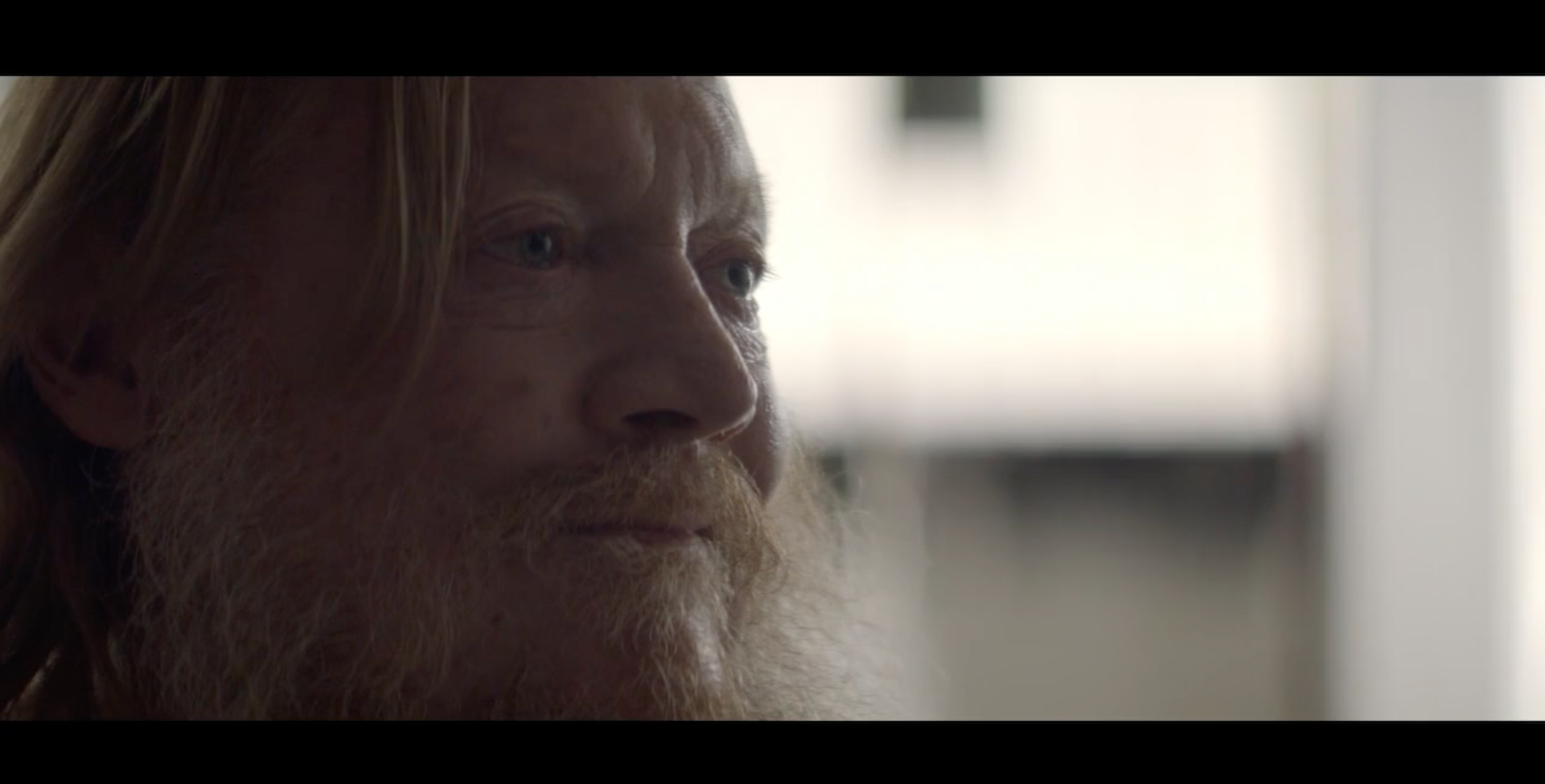
Eric has had vision problems since he was a child. He has Stargardt’s Disease, a rare condition that gradually damages the center of the retina, affecting his sight. It's like wearing glasses with a sticker covering the middle of the lenses, so he can only see around the edges. Everyday things, like keeping relationships, finding jobs, or taking care of family, are big challenges for Eric.
The approach
The plan for capturing this story includes:
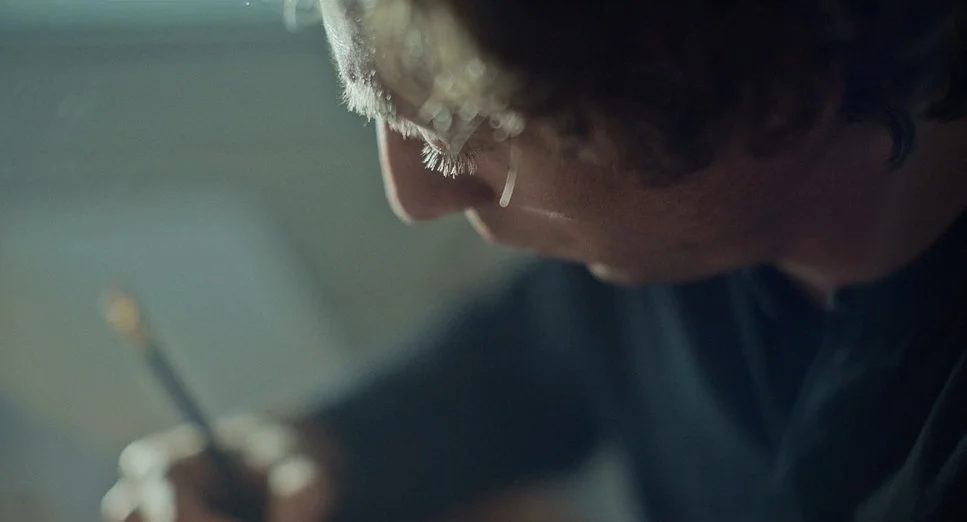
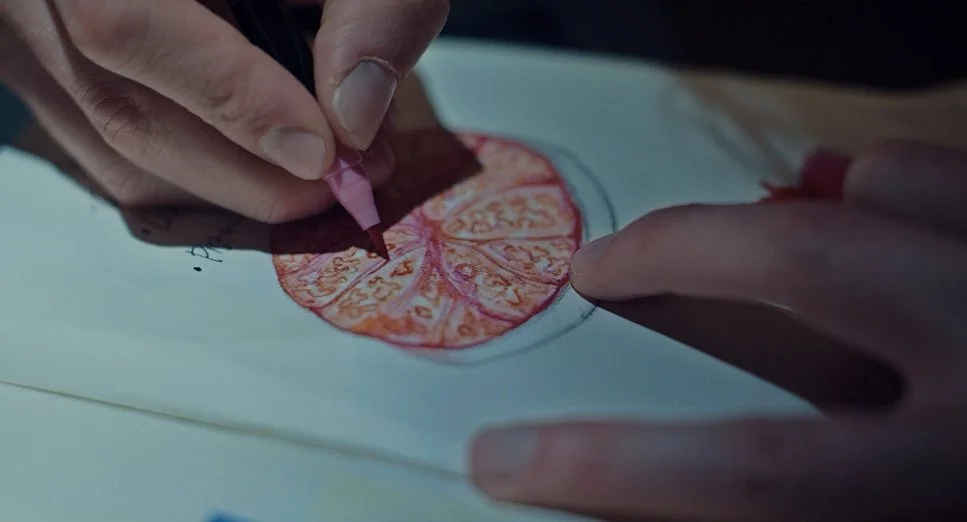
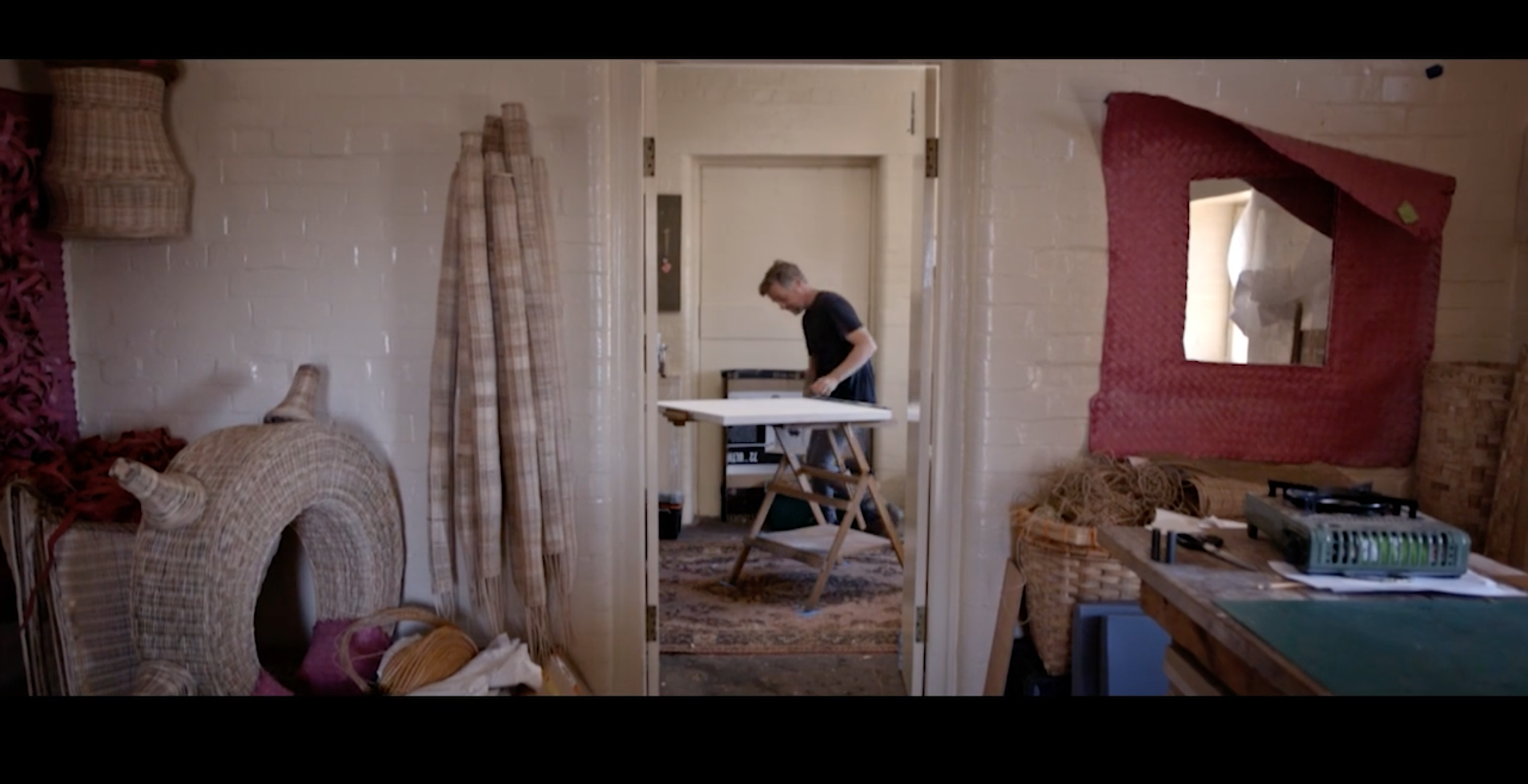
Paul’s painting method in a Cinema Vérité style as he paints and gathers inspiration
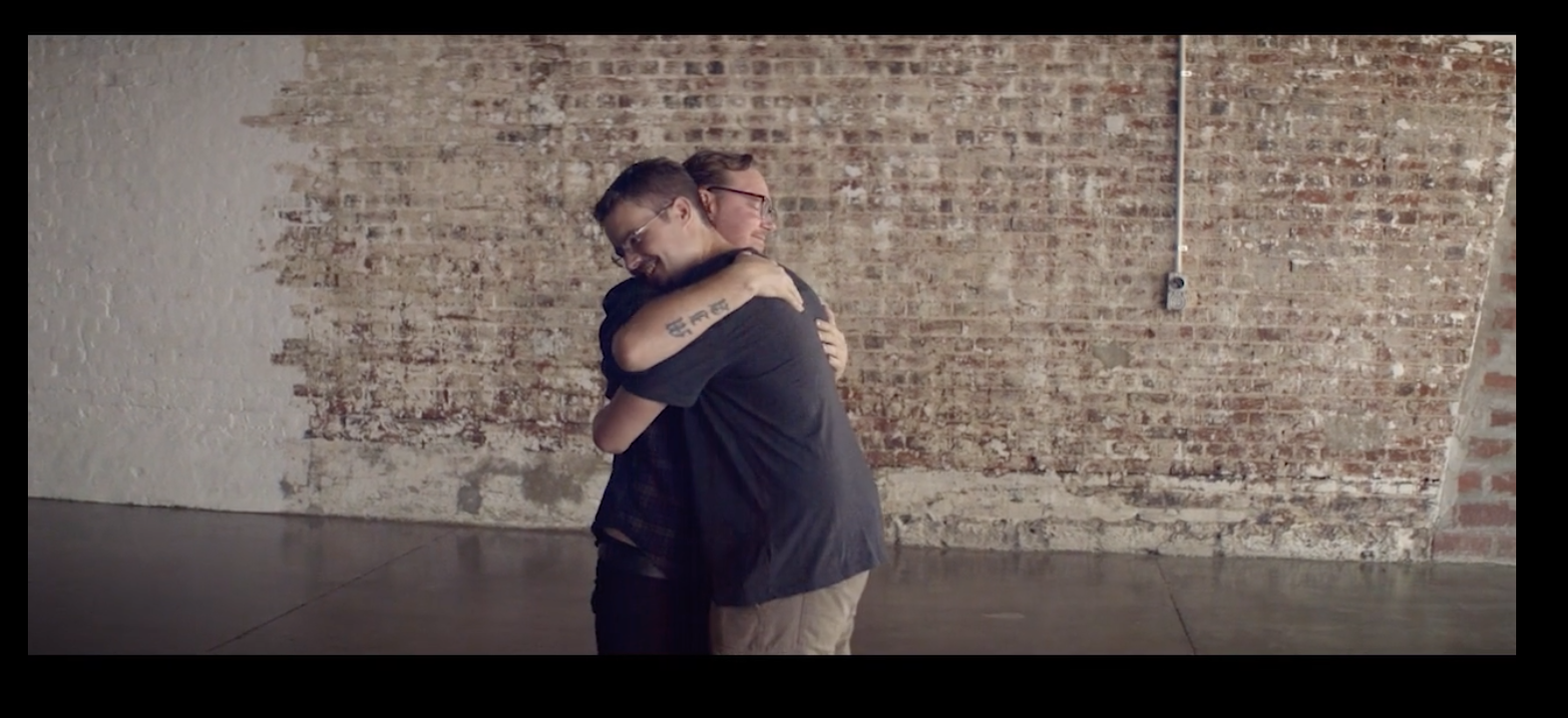
Paul and Eric catch up to discuss the artwork and get to know more about each other
Paul POV of trying to experience daily activities with his eyes closed - CU of elements and SFX
Visability interview about the history about the blind community in WA (archive photos)
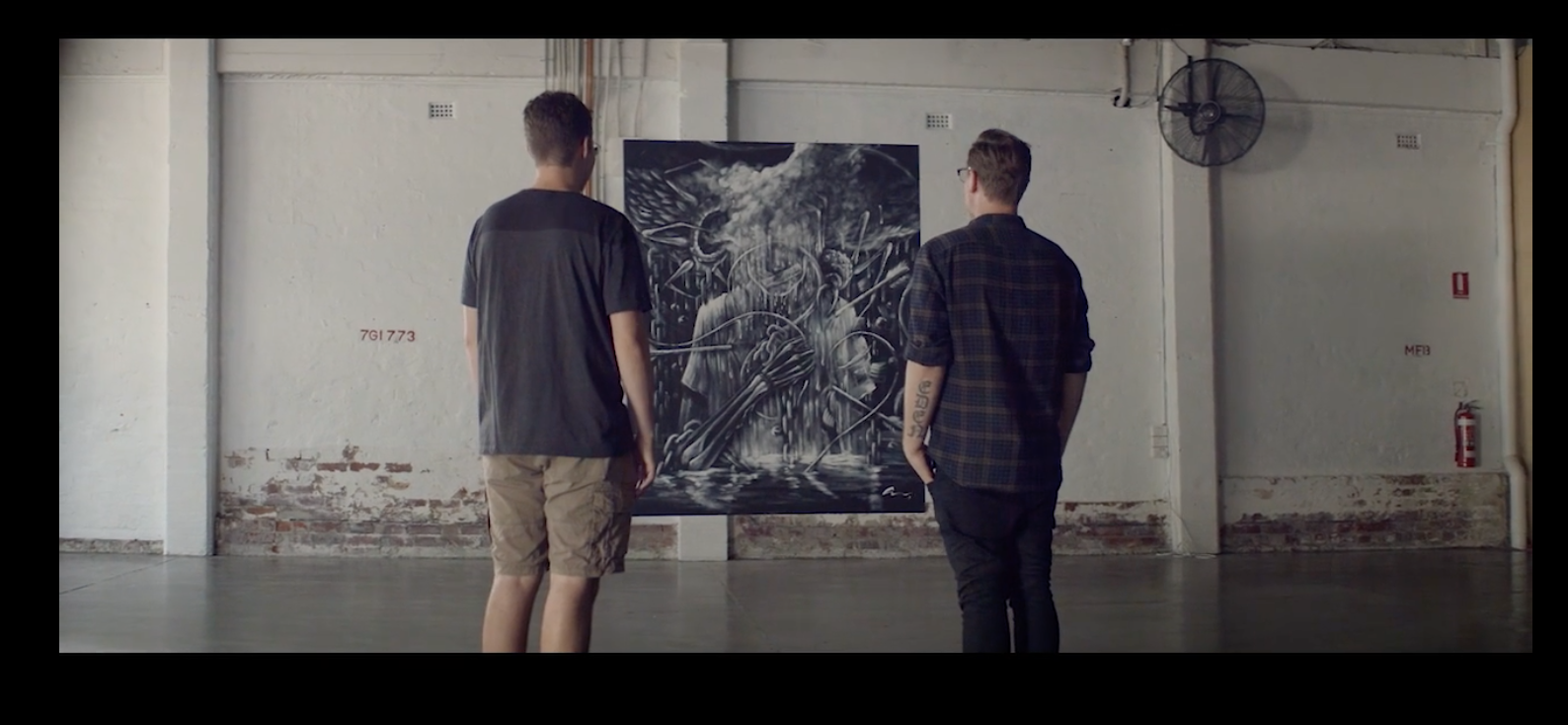
All three view the artwork in a studio and discuss what they have learnt
Style
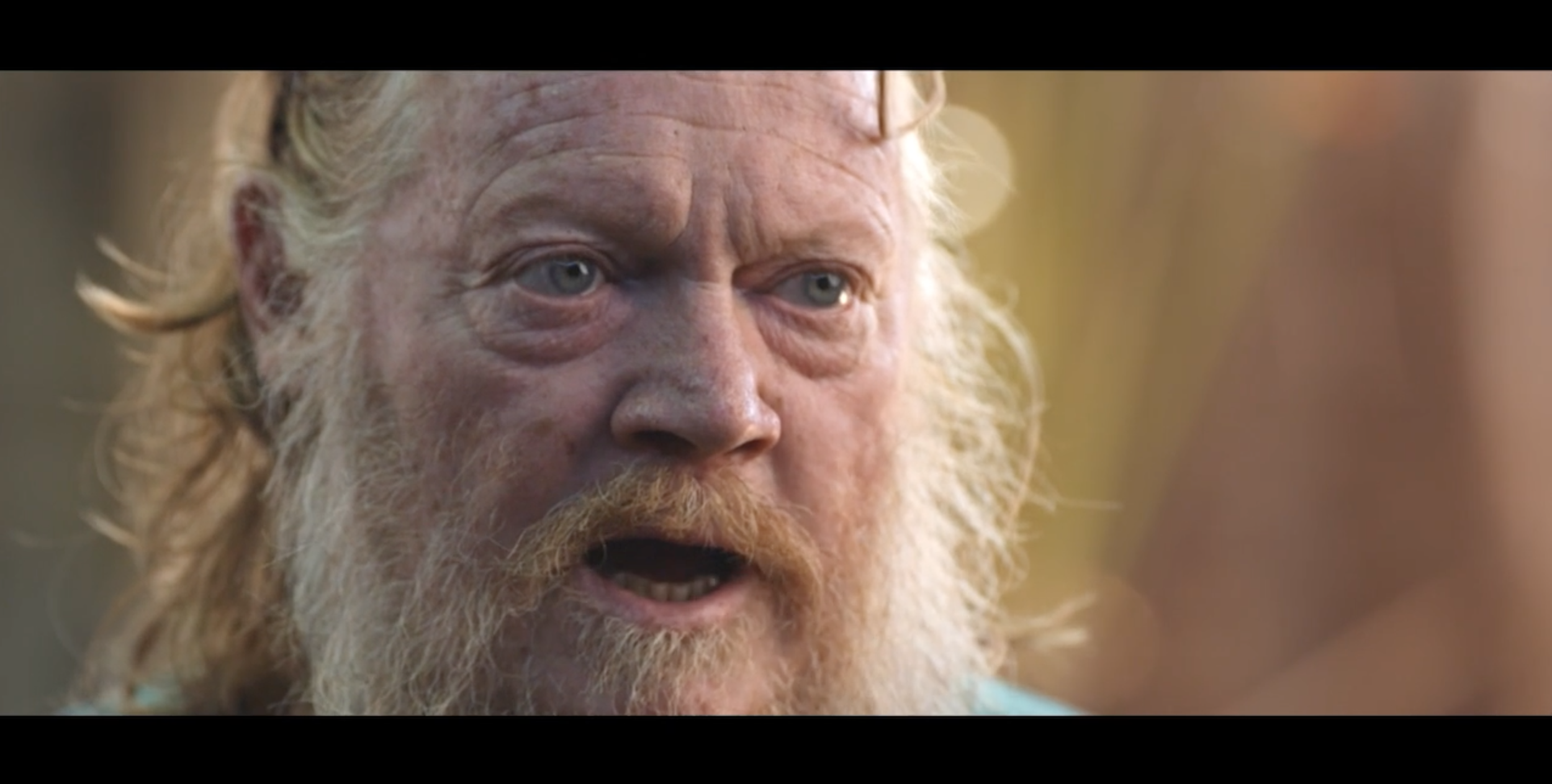
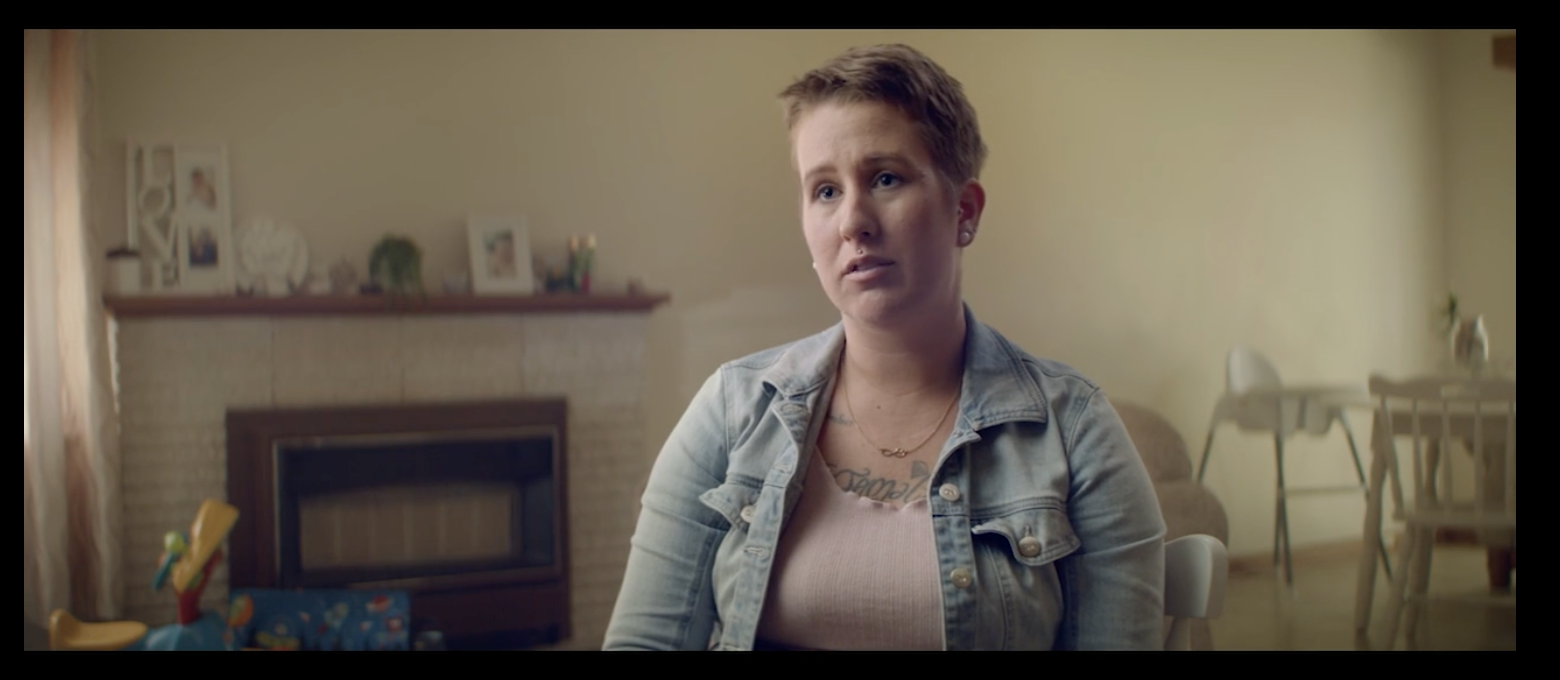
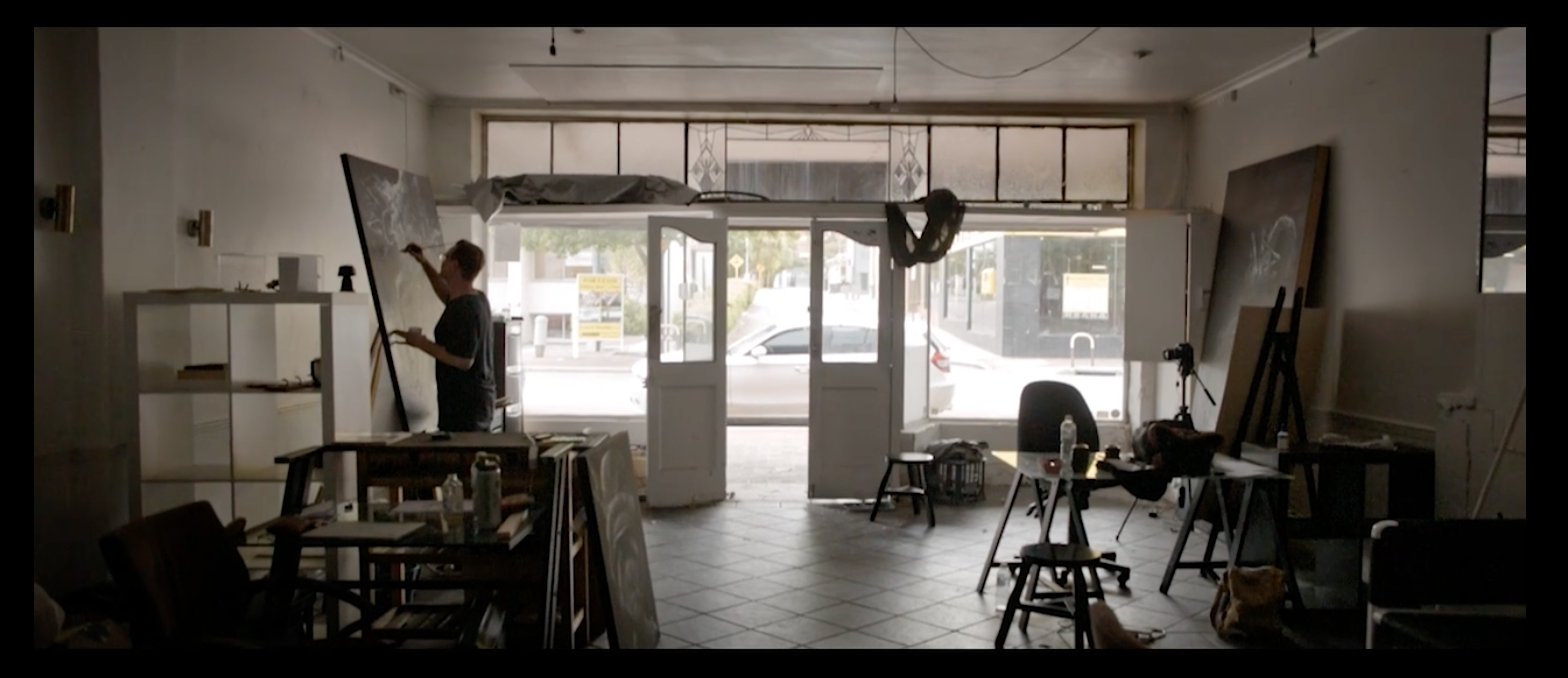
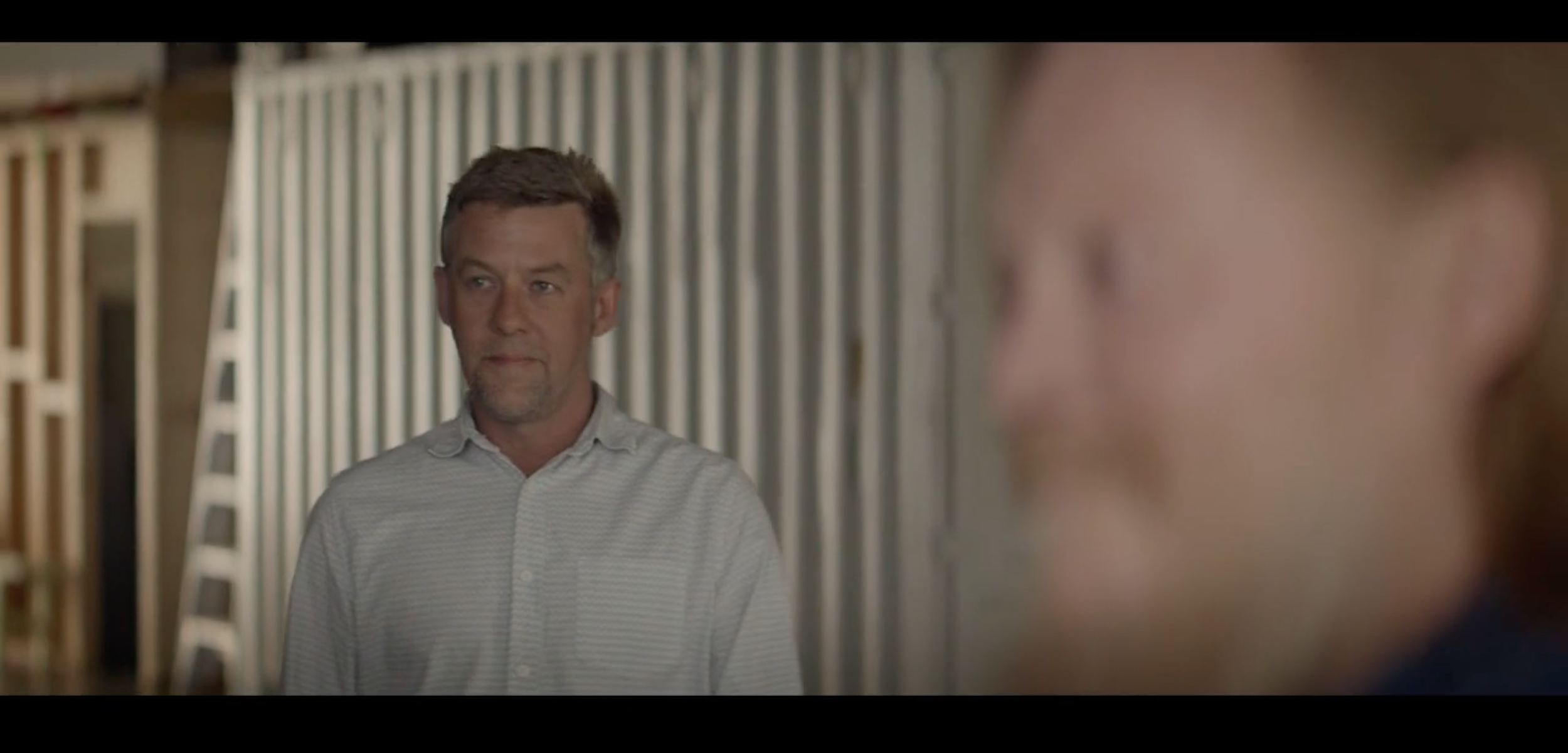
Cinema Verité: Paul painting, Paul catch up with Eric https://www.youtube.com/watch?v=uSr6OsOl6Is
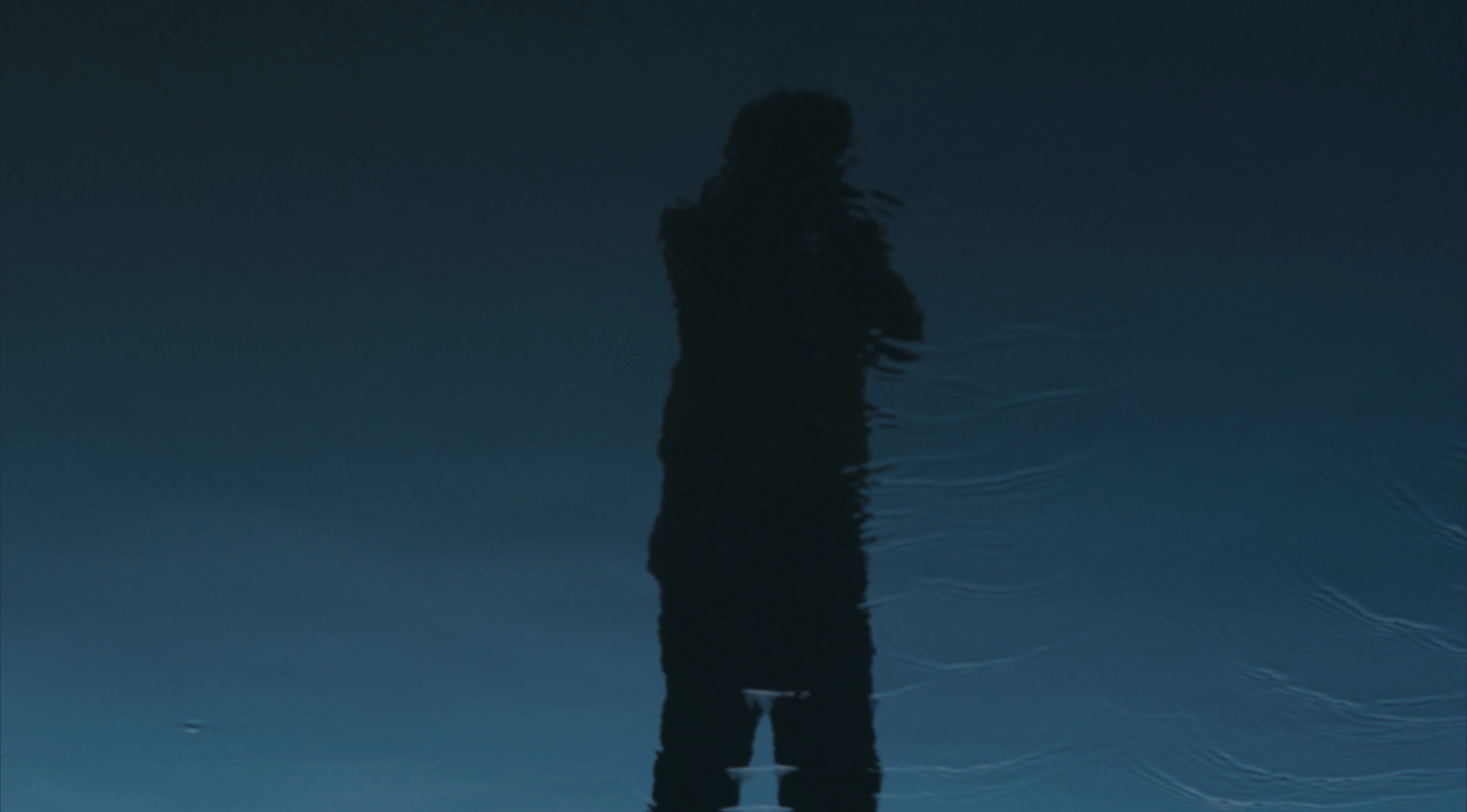
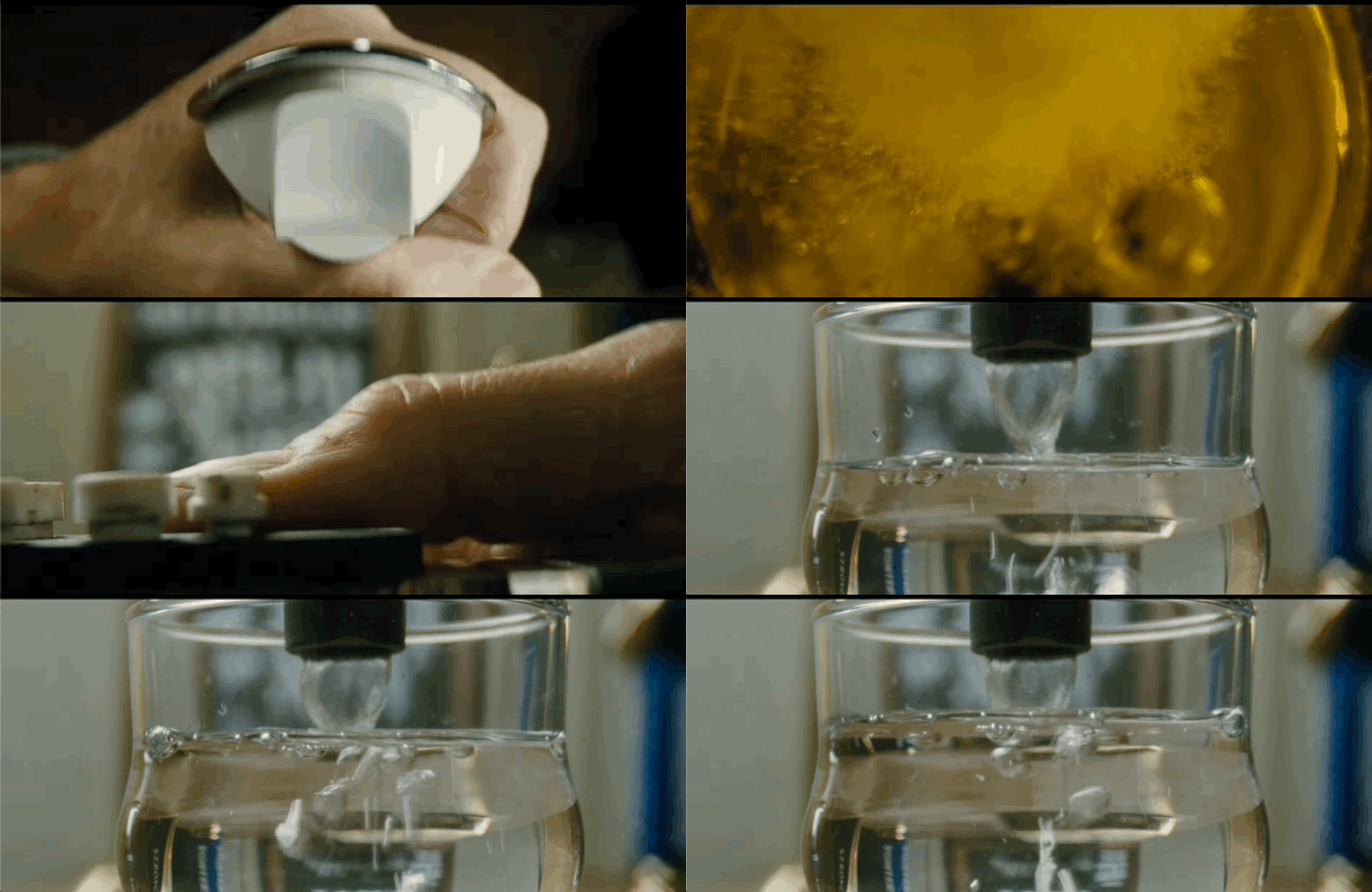
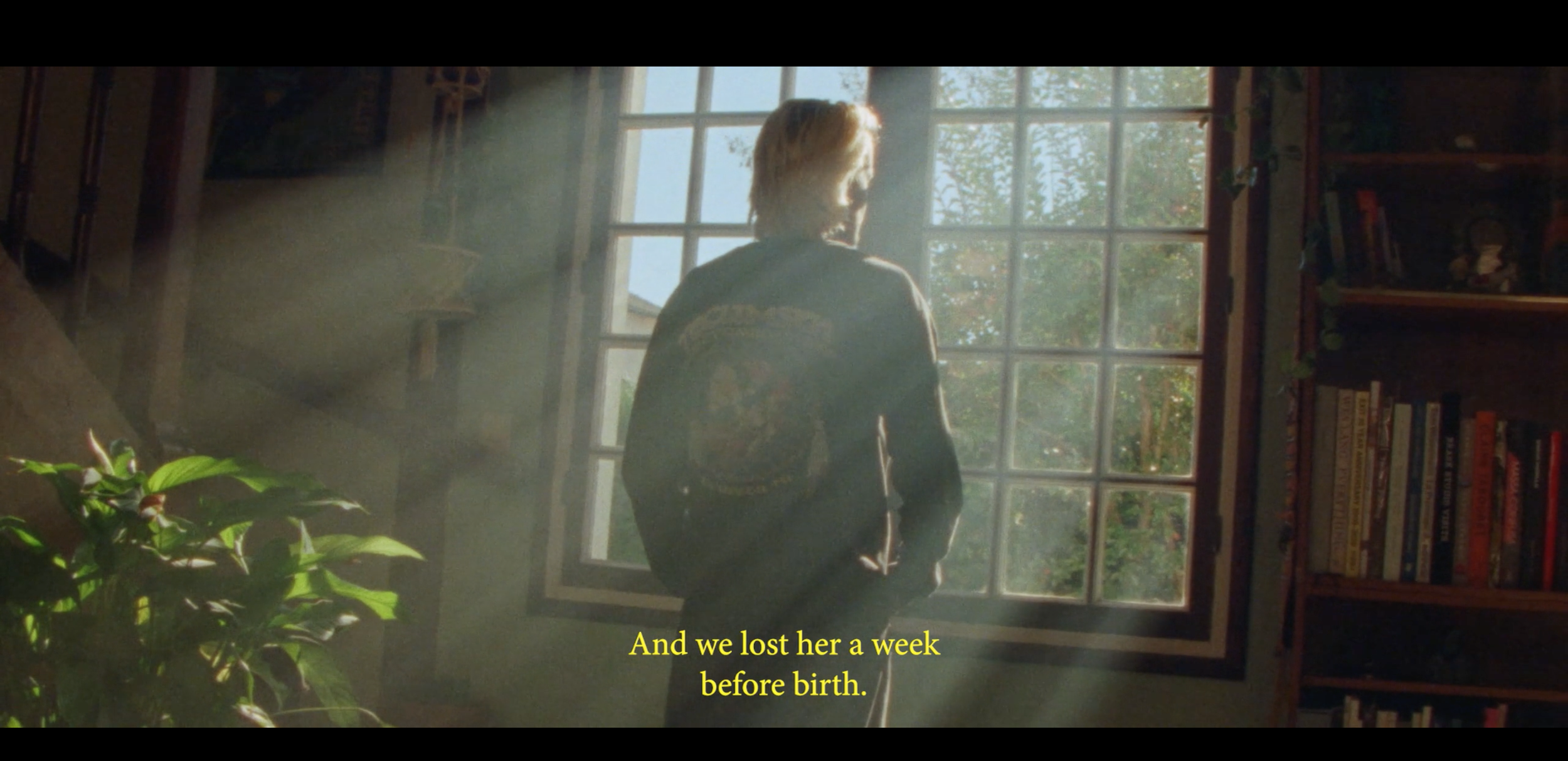
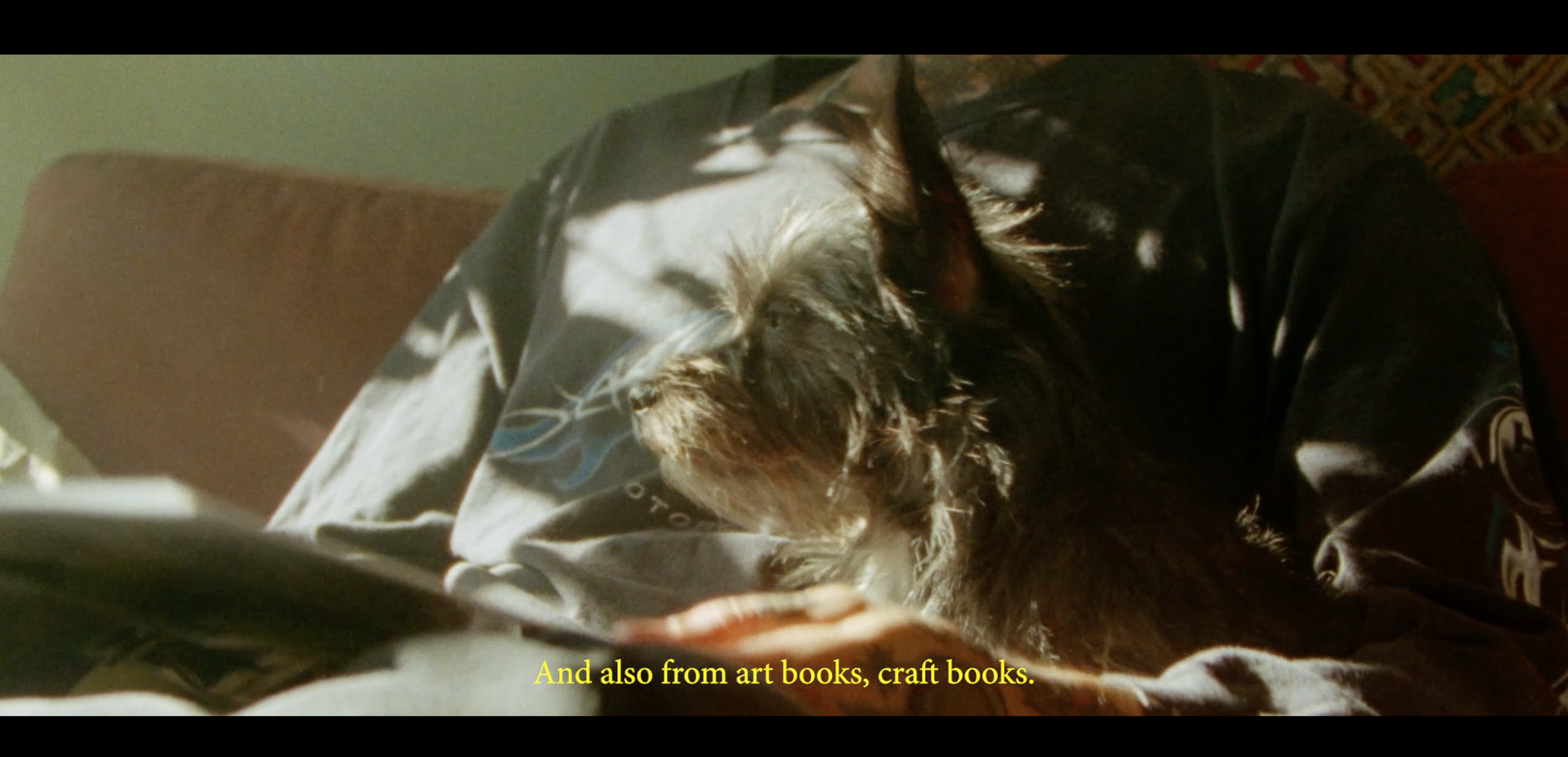
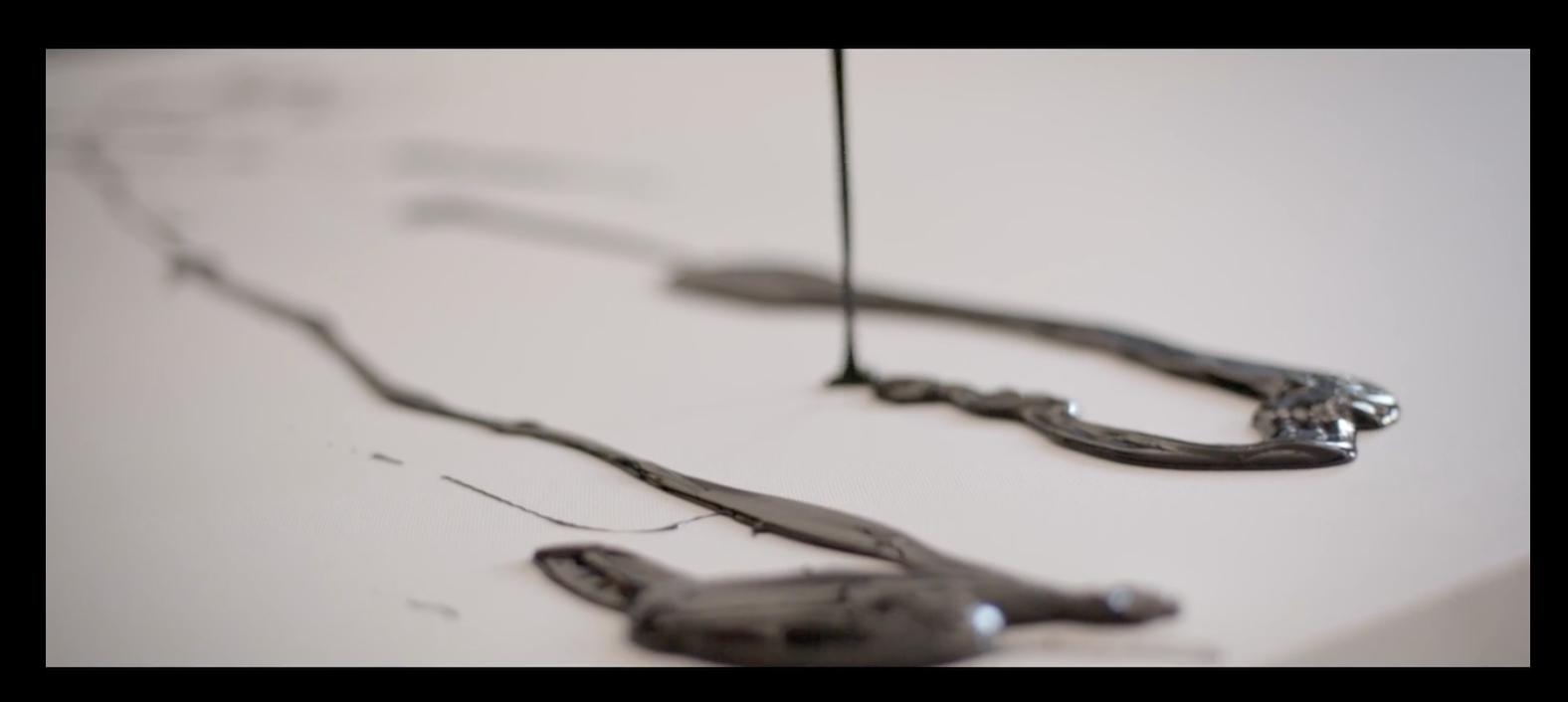
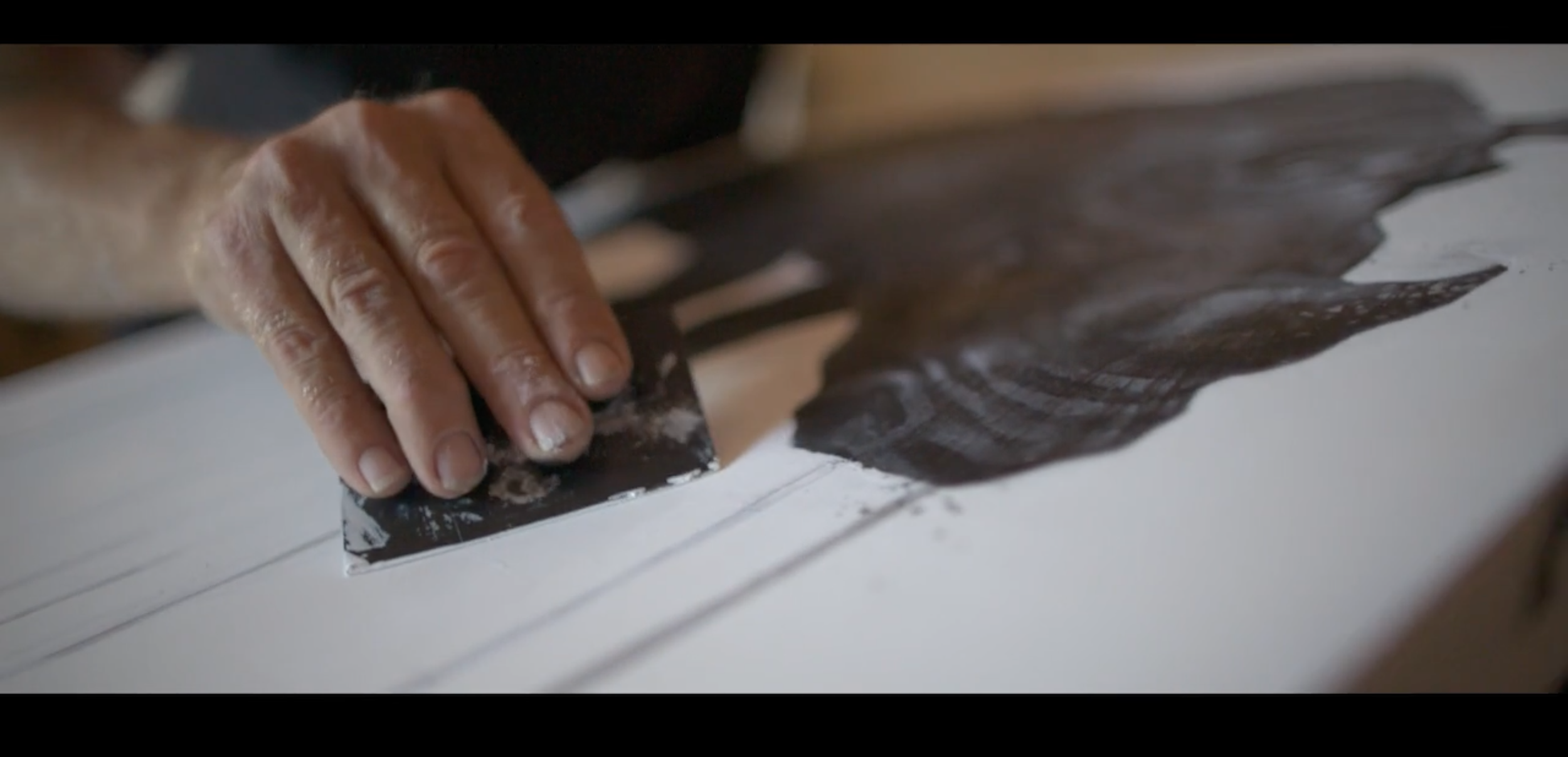
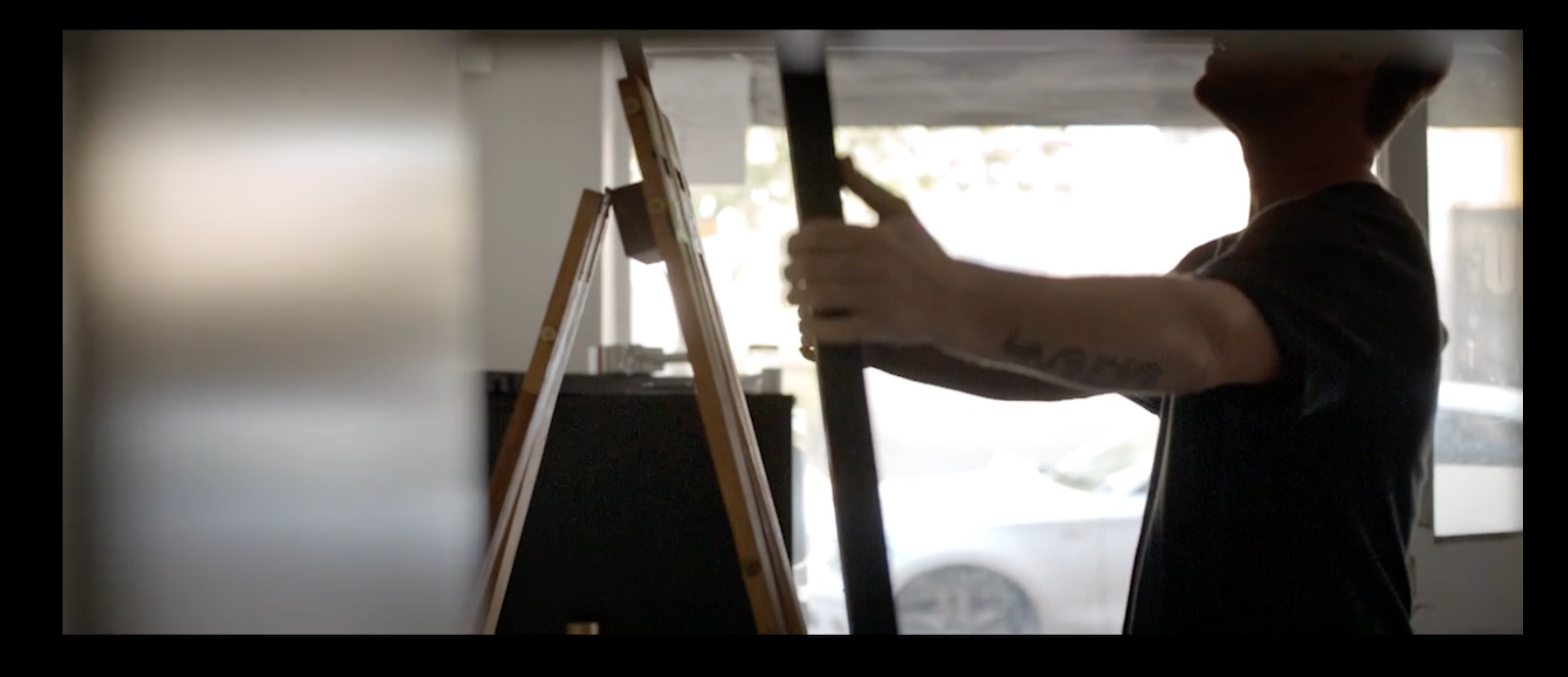
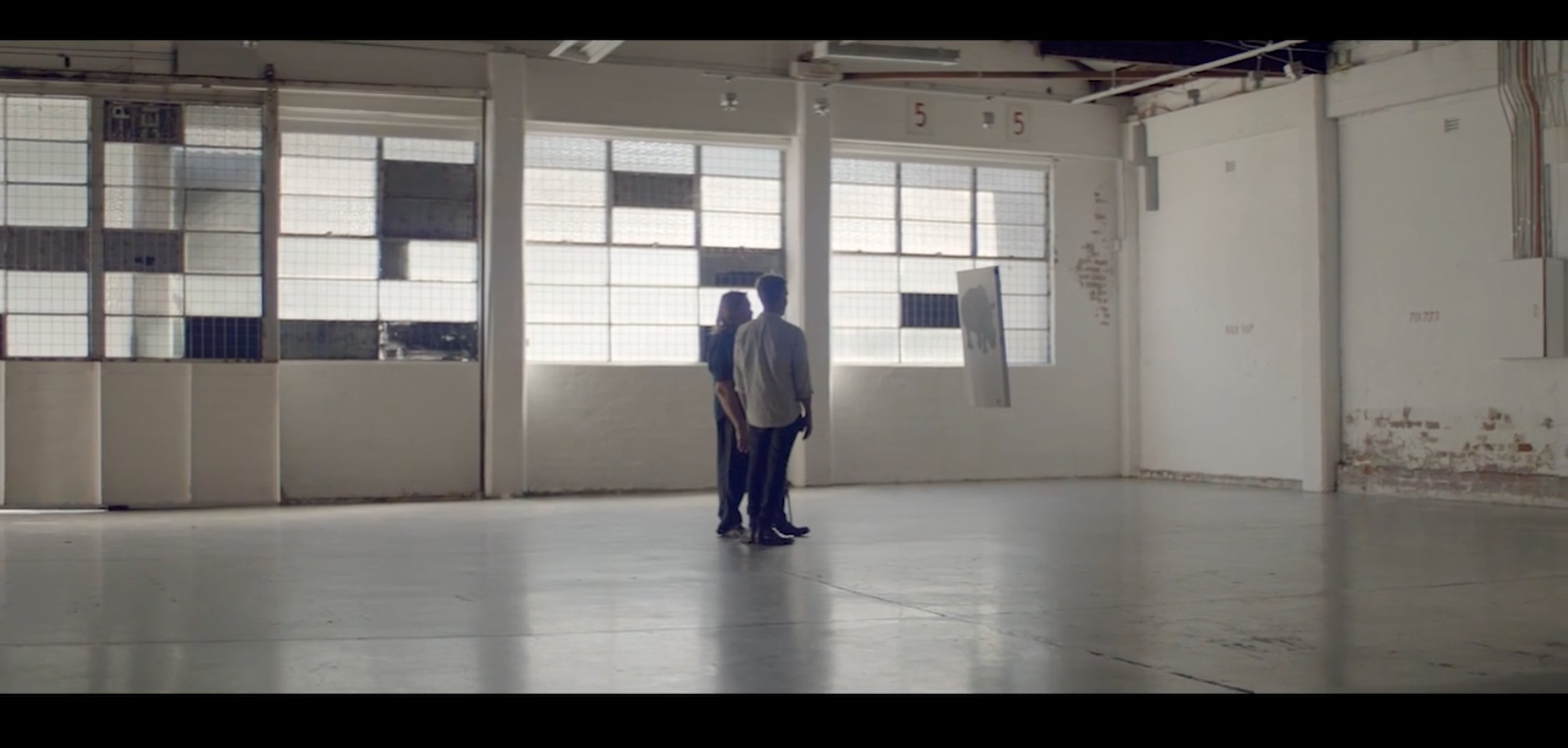
Unique frames and movement: Attaching the camera to moving objects to immerse viewers into Paul’s studio. These are interesting insert shots of objects and POV + whip pans to show movement in the studio. https://www.instagram.com/p/Cy6Umg2PBF7/?utm_source=ig_web_copy_link
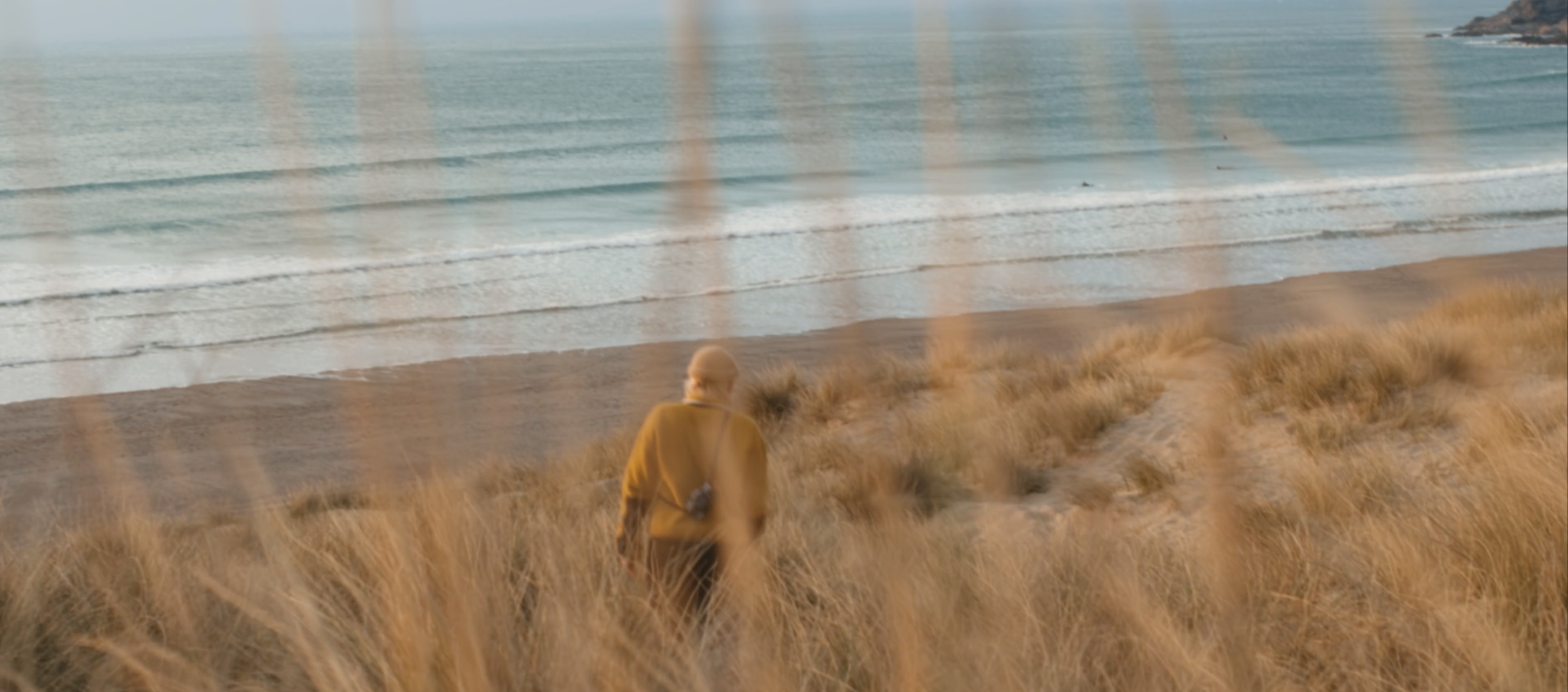
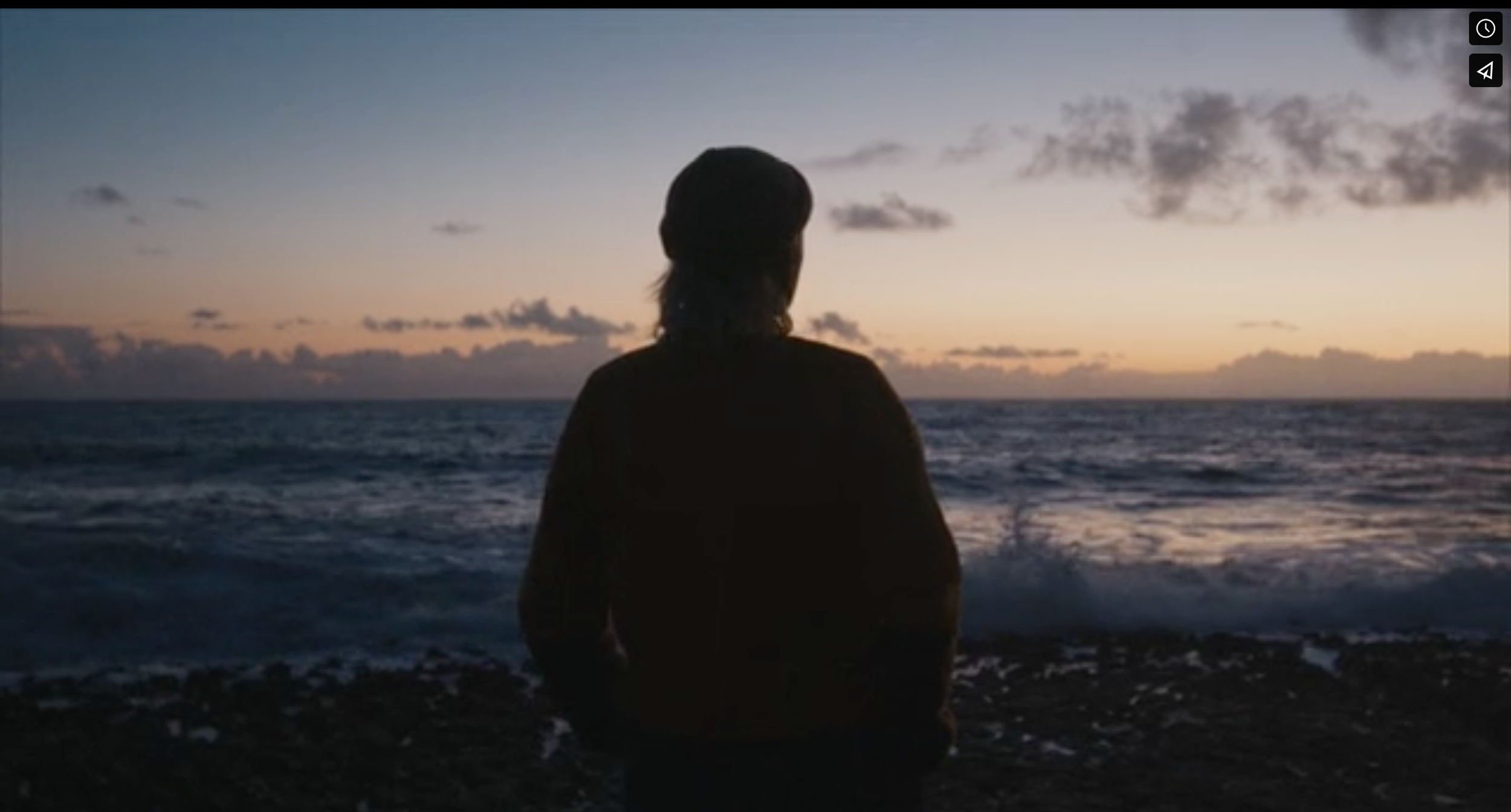
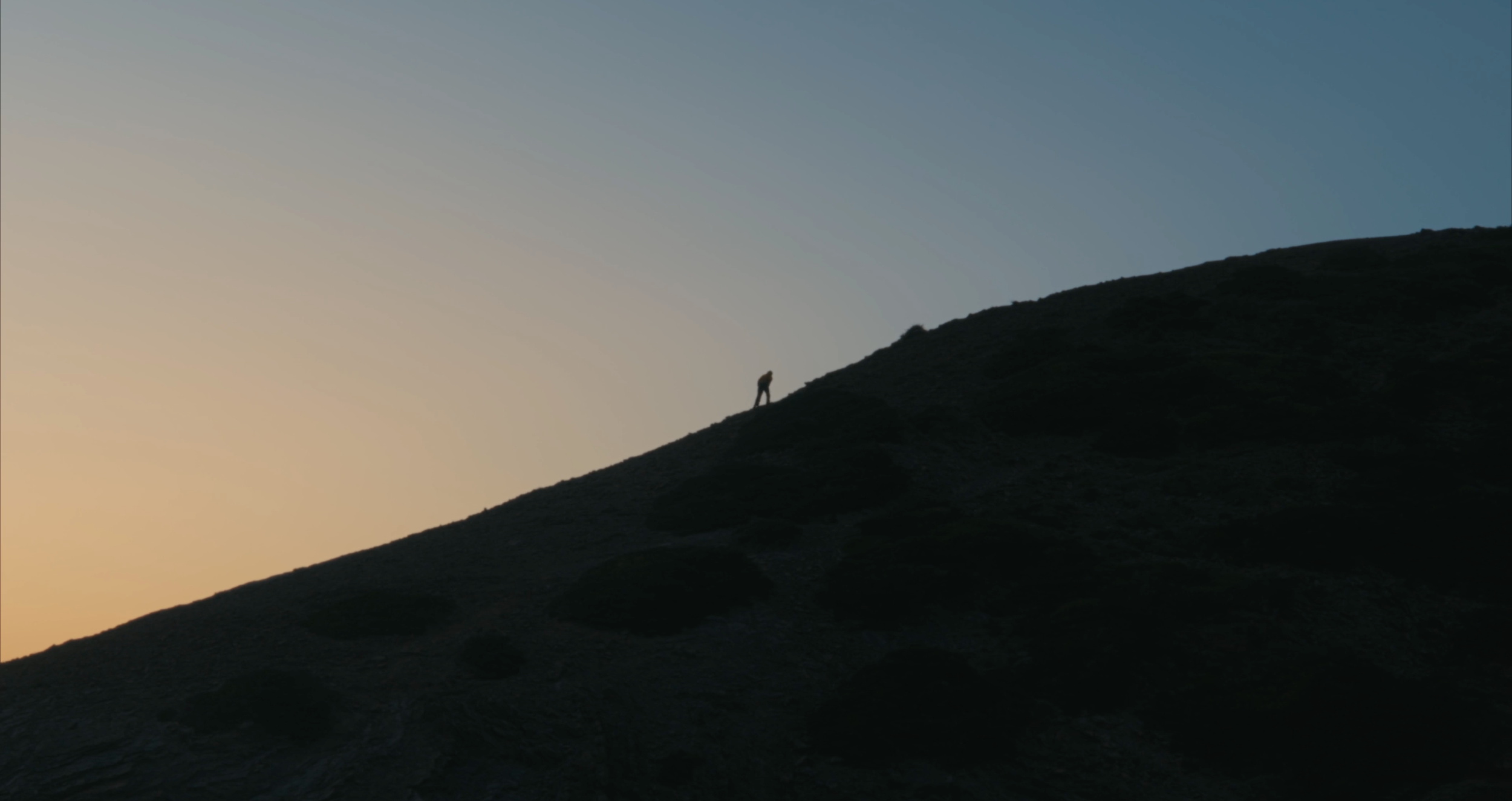
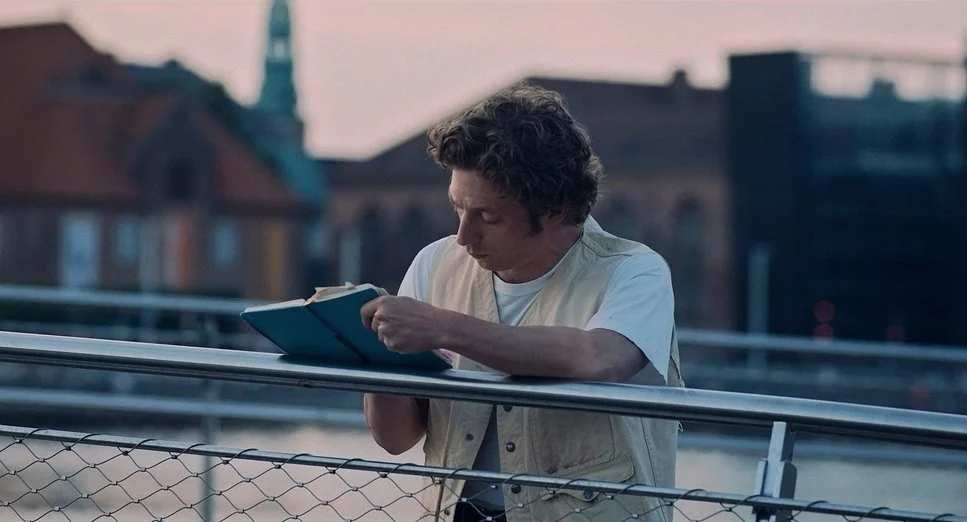
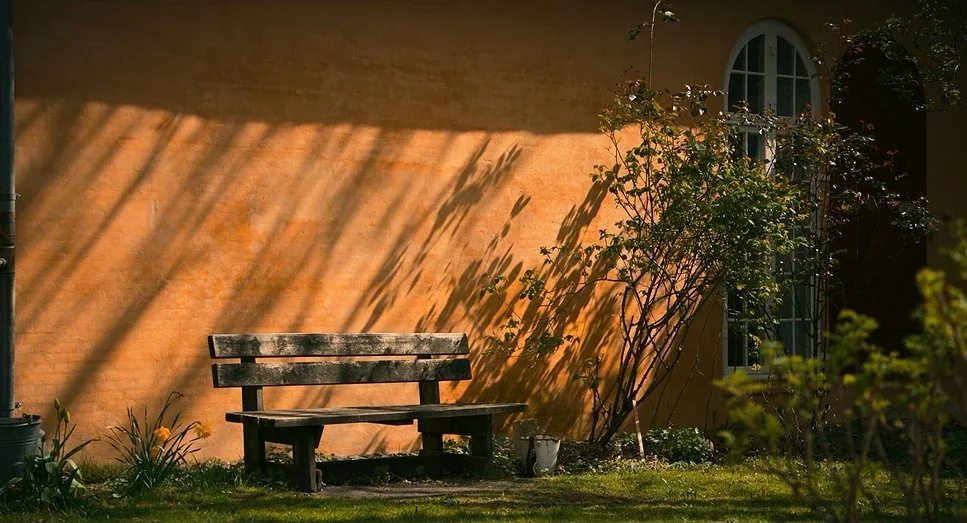
Still life/stylised landscapes: Filming the beach, nature reserves and cityscapes where Paul gets inspiration. https://www.youtube.com/watch?v=qOYrpk-A45s
Archive stills: Imbed archive photos in film emulation during the VisAbility interview.
Samples

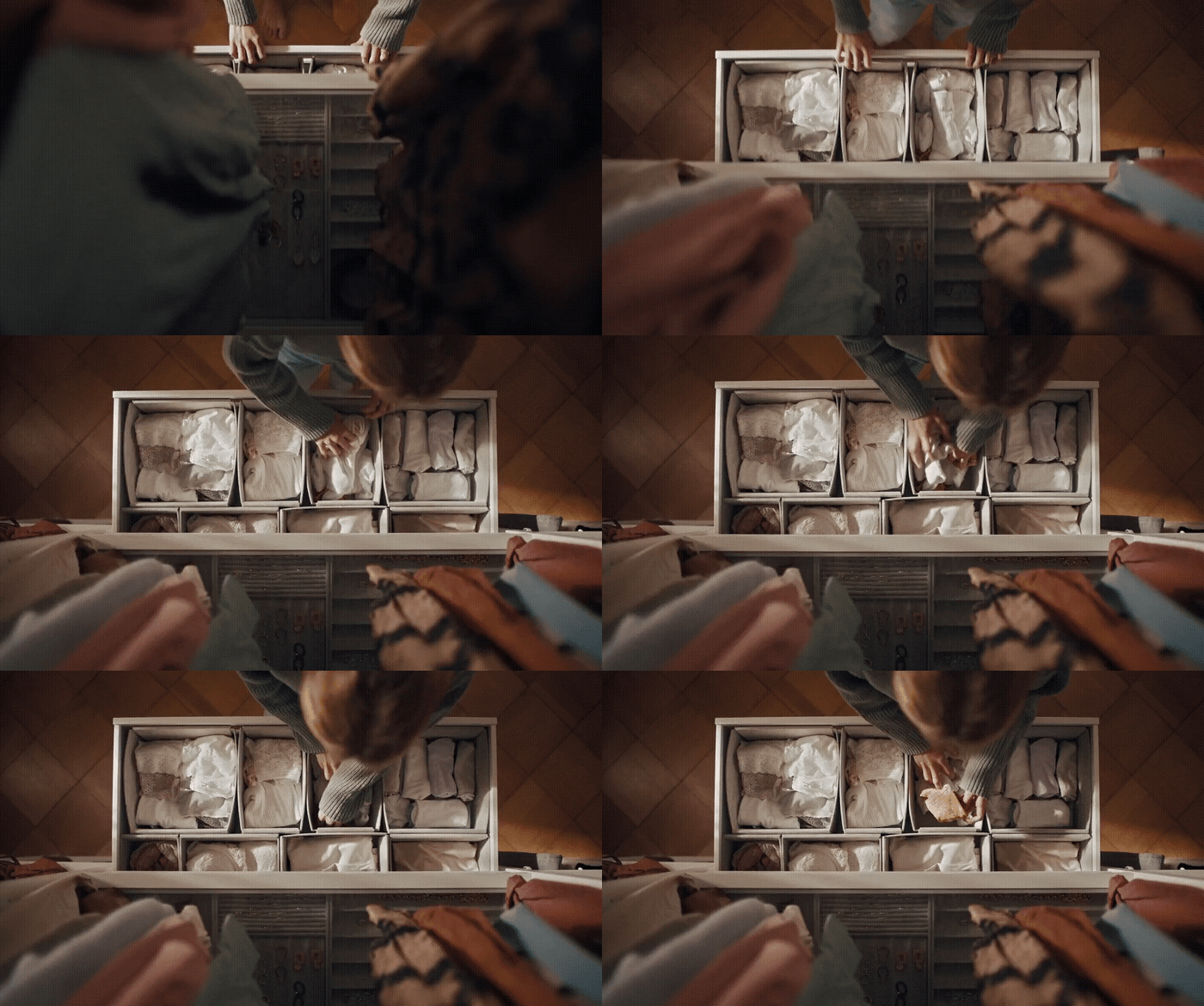
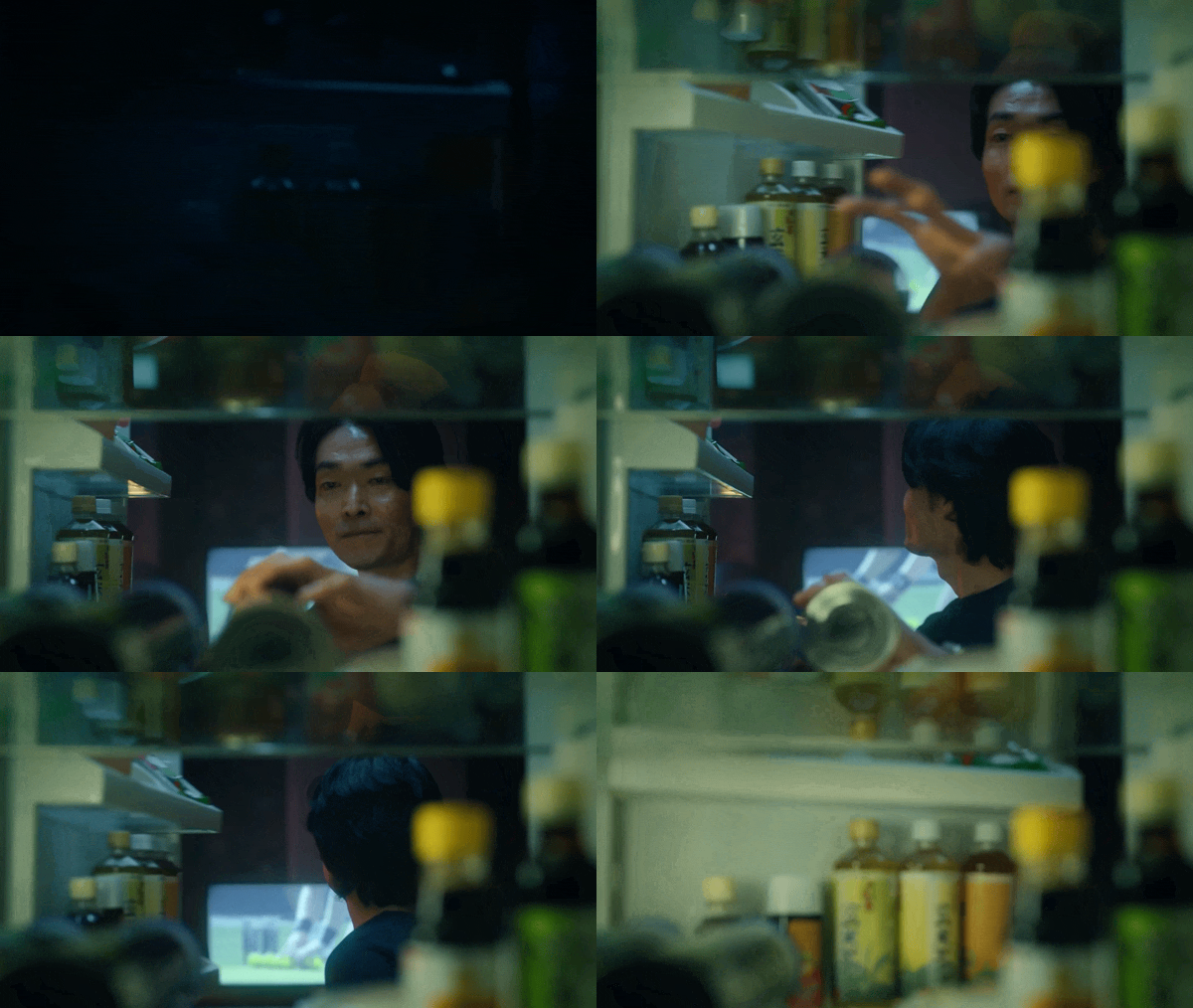
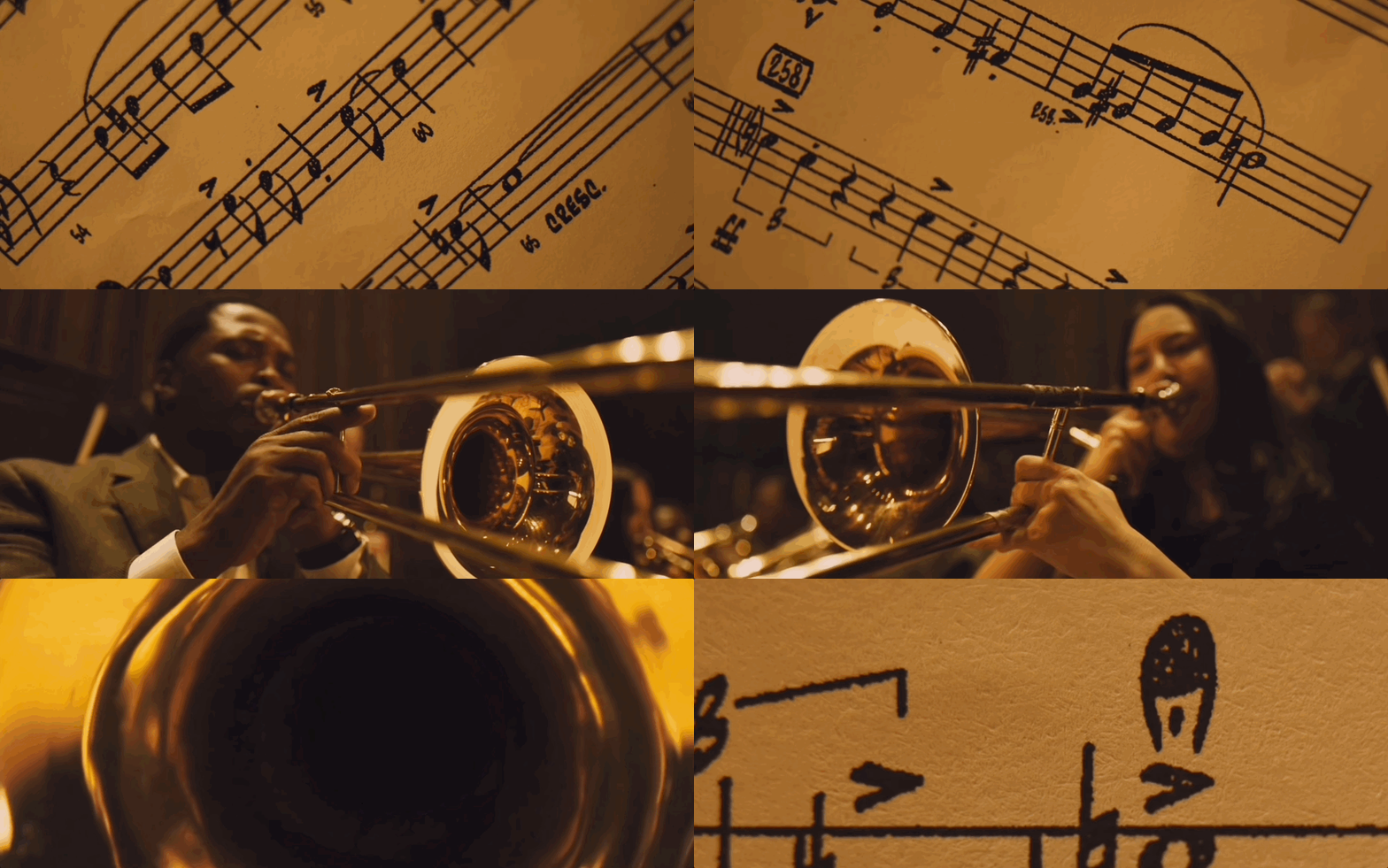
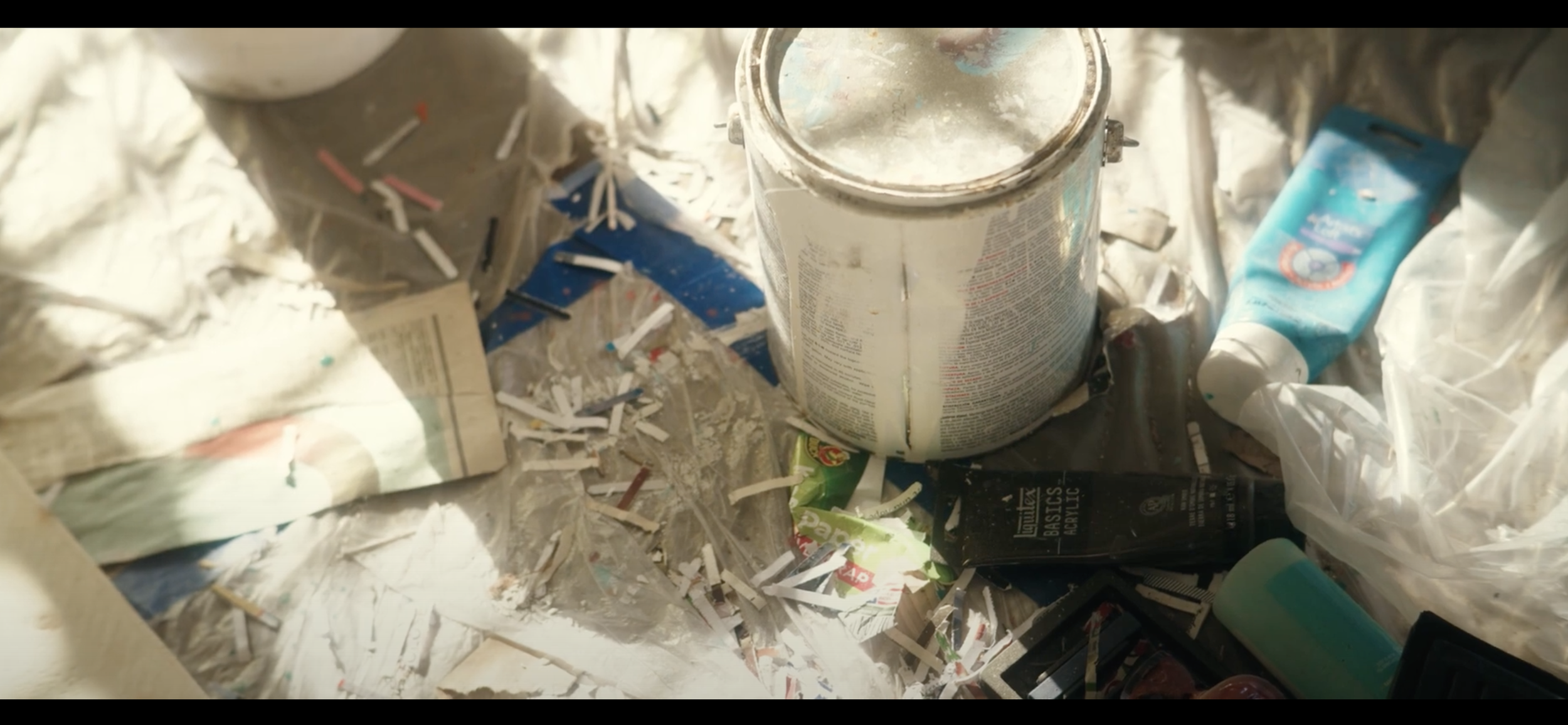


Audio
Music and sound effects are important in telling this story. Ambient classical music will be used to creating a calm and meditative mood during painting and conversations amongst the characters.
https://audiio.com/playlists/last-light/f6c23515-61a8-47a2-b940-ceb1aa8a4210
Producer Statement
This is a co-production team where Kirsten will manage most of the administrative and planning work and Cameron will utilise his industry knowledge and contacts to get things done. The reason for two Producers is because of Cameron’s limited availability through out the production as he is based in Melbourne. This Producer Statement is written by Kirsten Barker.
This is an art film that showcases an artist and his journey of understanding vision disabilities and how this inspires his work. It provides insight into the character of the artist, teaching the audience alongside him. It is aimed at adults of all abilities, it seeks to inspire everyone to value and embrace their lives. This story offers a fresh perspective on life, showing how using all senses can enrich your experiences and encourage you to appreciate the small moments.
The production should be simple yet authentic, reflecting the true art of painting without feeling commercial. This means a small team and small gear list. The project's theme revolves around inclusiveness, highlighting its artistic value and emotional empathy. It offers a documentary narrative that explores various aspects, making it accessible to everyone.
Andrew is an emerging Director and DOP who has a background in Cinematography. His latest short film “Last Leg” has been picked for a number of national and international film festival this year. Andrew has worked with Leith Phillips on an upcoming documentary about Leith, who is a retired journalist and former head of chief editor of the West Australian. He originally graduated as a Documentary script writer. Andrew and Cameron have both worked together previously, with their latest documentary the Untitled Jack Wood Sue documentary. Andrew andd Kirsten have worked together for Kirsten’s production company on multiple documentaries and video projects.
Paul and Eric are the first choice subjects for the documentary due to their close relationship with the Director. However, if they no longer fit the documentary we will seek interest from other painters linked with VisAbility.
Pre-production (February) - Director will work with the writer to finalise the story and questions. The writer will create the voice over script for the artist. The characters will be informed of where to go and given a brief outline of the story. Director and DOP to conduct several technical site visits at the artist’s studio and surrounding locations, as well as the final art studio for the reveal. Director and DOP to come up with camera and lighting kit gear required for shoot days with a lighting plan. DOP to conduct lens and camera tests. Editor and colourist will be involved in the LUT colour development with the Director and DOP. Producer to produce shoot schedule, shoot day run sheets and safety reports for production including catering requirements and emergency evacuation plans.
Production (March - April) - A total of five fill film days. Majority spent at Paul’s studio and one day at an art gallery studio for the review and interviews. Producer to distribute run sheets and plan all logistics for crew.
Post-production (May - June) - Andrew will be the head editor and colourist.
Distribution - Target local festivals, local screenings, and aim to feature on Vimeo Staff Picks and ABC Art.
Budget
Money for Paul to create the art work - $1500 (4 weeks to conceptualise and create)
Writer - $1000 (research, questions and voice over script)
Producer/Sound - $3500 ($75 per hour) 5 full day + 1/2 prep and 1/2 scouting
Director/DOP/Sound/Gear - $8250 ($1550 day rate include camera and lighting kit) 5 full days + 1/2 prep and 1/2 scouting
Sony FX3 x 2 | SLR Magic Cine Lens set | Helios 44-2 lens | Lens filter set | Cine tripod | Slider | Shoulder rig | Cine Saddle | V-mount batteries | 2x2 frame diffusion | 500 Forza | 300 Forza | 150 Good | Fresnel | Apature MC lights x 3 | Spotlight projector | Scrim diffusion set | Floppy | Amaran F22 C + diffusion | C-stands x 3 | Kupo boom arm stand | Heavy C-stand x 2 | Nanlite Pavotube 30C x 2 | Lightbridge cine reflector
Camera Assistant - $1250 ($250 day rate x 5)
Lighting assistant - $1250 ($250 day rate x 5)
Location Art Studio - $850 1 day
Editor + station - $1250 (25 hours)
Colourist - $450
Post production sound + music - $500
Publicity stills (edits) - $250
Travel - $450
Van hire (3 days) - $650
Catering - $450
Total: $21,600
Director/DOP Statement
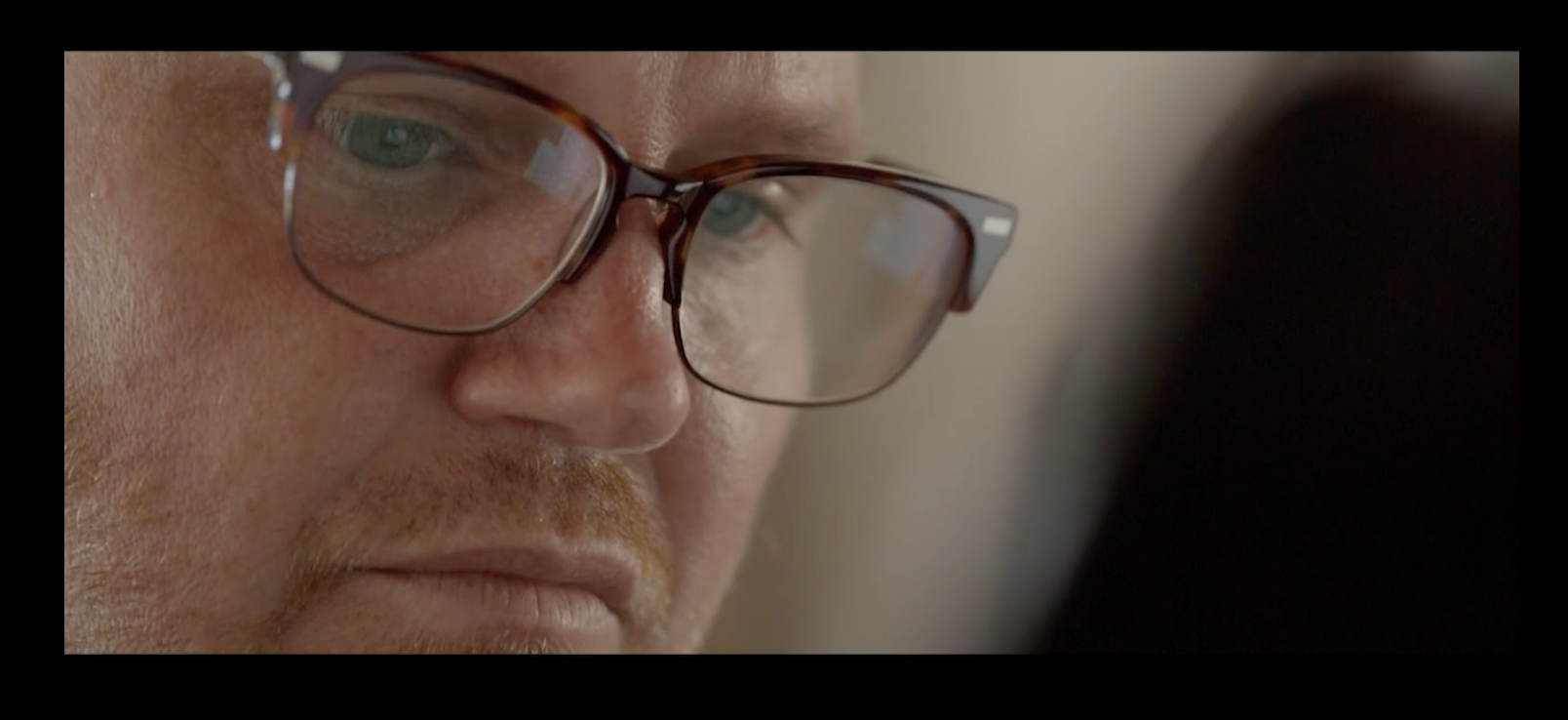
The Director aims to show a natural feel to the images. Floaty hand held when capturing the characters and artwork to match the artwork and Paul’s character. Tripod for inserts and establishing shots. Paul’s studio requires more creative movement, unique angles, and wider lenses. For some shots we will anchor the camera to objects to get an interesting perspective and immerse audiences into the scene.
This is a two camera team using cine vintage lenses for a rough messy image. Sony FX3 is the camera of choice for its fun-frame quality and user-friendly size. Filmed mostly at 25fps, with some shots at 50fps and slow shutter speeds to enhance certain activities in the studio. We'll pair it with SLR Magic Micro Prime cine lenses for a unique vintage feel.
External shot will be planned to film at the best times of the day ie golden hour. Interiors will be shot during middle of the day and we will replicate a morning/afternoon look by lighting outside. The lighting will be far side moody lighting. Melancholic colours with the paintings to have the splashes of colour in the frame. We want to limit crew size so it feels more intimate. A lot of negative fill and blocking out windows that are not in the frame. We will motivate light through windows and practicals. An overhead light will serve as the main light on the subject, while spotlight fixtures to replicate sunlight.
Jhuver is my camera assistant of choice. I have worked with him previously and he has a great attitude and good understanding of the lighting style that I like. We will need a lighting assistant to help set up and look after lights on set. A sound operator to capture SFX and voice audio.
Producer
Cameron is a dedicated filmmaker with an interest in strengthening the Australian film industry. Motivated by his love of documentary and classic cinema, he aims to provide a platform for storytellers to create projects for international audiences. Cameron's success as a producer comes from his years of experience below the line on set, where he learnt first hand what it takes to run an efficient set.
https://www.linkedin.com/in/cameron-davis-filmmaker/
Kirsten Barker is an up and coming film producer for videos, documentaries, and product ads. Previously an events coordinator at St John WA and The Hub at Technology Park, she moved to film production by applying her transferable skills. This year she has produced videos for Aboriginal Productions and NDIS participants. See linked films.
Director
Cinematographer Andrew has been directing films with Kirsten at Kando Media. He focuses mainly on social issues like art, all abilities and Aboriginal culture. Andrew has DOP’d festival run short films and documentaries. Previously Andrew has been a state public servant for over ten years, where he has developed strong communication skills and empathy towards individuals and community groups.
https://app.milanote.com/1RB9971lS1yneW?p=lqyAWskwSx6
Leith Phillips (Writer) - Former The West journalist and editor. Alumni Documentary writer
Jhuver (Camera Assistant) - DOP and current Curtin University Film Student (3rd year) and internship at Limitless